
The Future of Shopping: How Online Retail Stores Are Revolutionizing Retail
Shopping has undergone a dramatic transformation over the past two decades. Gone are the days when consumers had to visit physical stores for every purchase. Today, the rise of online retail stores has not only changed how we buy products but also how businesses operate. With advancements in technology, shifting consumer behaviors, and global connectivity, online retail is reshaping the entire retail landscape. This evolution is creating new opportunities for businesses while presenting challenges that require adaptation and innovation.
The Growth of E-Commerce: A Global Phenomenon
E-commerce has grown exponentially, becoming a dominant force in retail. According to recent reports, global e-commerce sales are projected to surpass $6 trillion by 2024, accounting for more than a quarter of total retail sales. This surge can be attributed to several factors, including increased internet penetration, the widespread adoption of smartphones, and the convenience of shopping from anywhere at any time. Unlike traditional brick-and-mortar stores, online retail stores eliminate geographical barriers, allowing businesses to reach customers worldwide without the need for physical locations.
Moreover, the COVID-19 pandemic accelerated this shift, forcing consumers and businesses to embrace digital solutions. Lockdowns and social distancing measures led to a massive increase in online shopping, with many consumers discovering the benefits of e-commerce for the first time. Even as restrictions ease, the convenience and efficiency of online shopping continue to attract consumers, ensuring that e-commerce remains a key player in the retail sector.
Personalization and AI: Tailoring the Shopping Experience
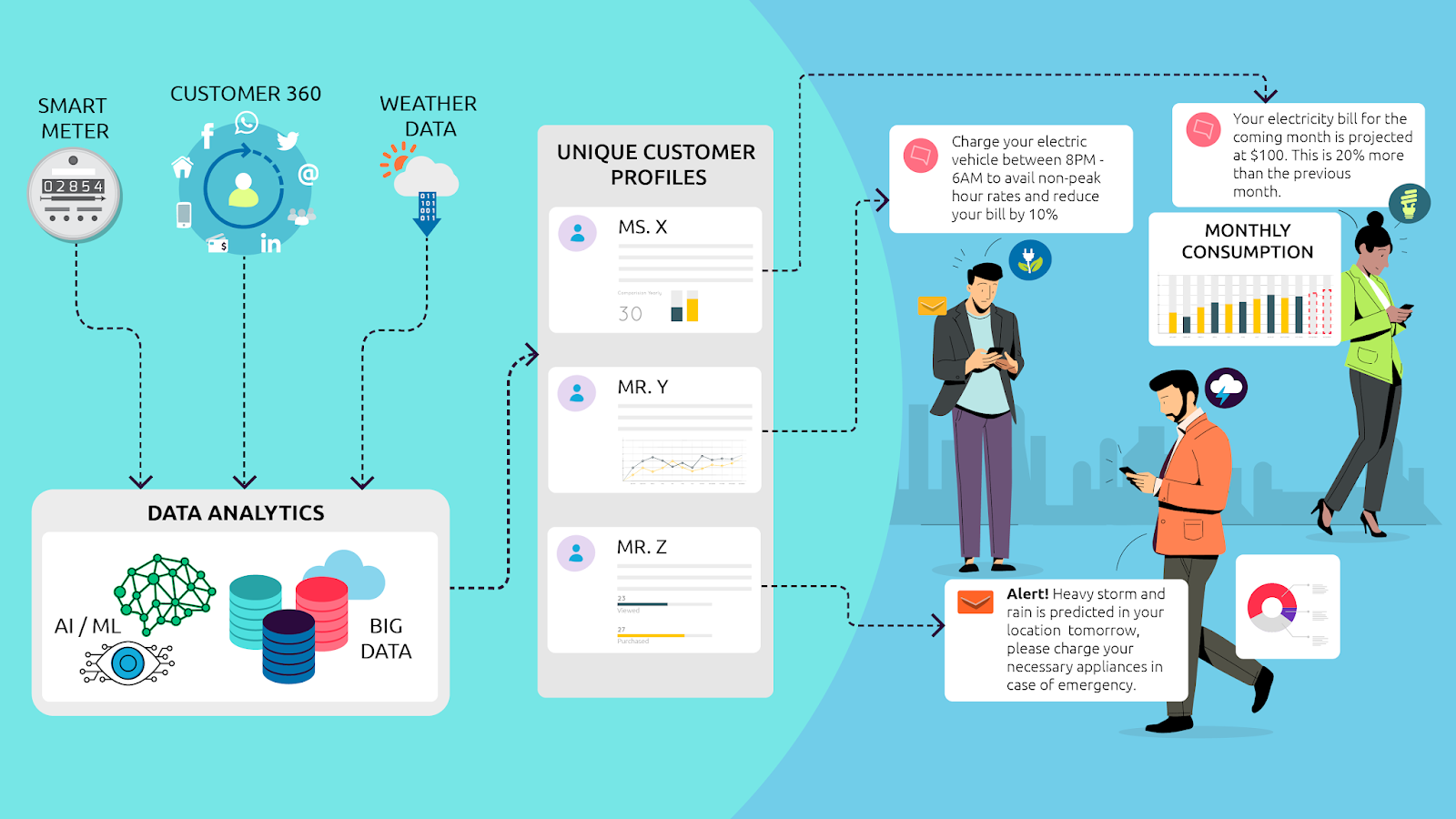
One of the most significant ways online retail stores are revolutionizing shopping is through personalization. Advanced algorithms and artificial intelligence (AI) are enabling retailers to analyze customer data and provide tailored recommendations based on individual preferences, browsing history, and purchase behavior. This level of customization enhances the shopping experience, making it more engaging and relevant for consumers.
AI-powered chatbots and virtual assistants are also transforming customer service in online retail. These tools can handle inquiries, provide product recommendations, and even assist with purchases in real time. By leveraging natural language processing and machine learning, retailers can offer round-the-clock support, improving customer satisfaction and reducing the need for human intervention in routine tasks.
Additionally, personalized marketing campaigns, such as targeted emails and social media ads, ensure that consumers receive offers and promotions that align with their interests. This not only increases conversion rates but also fosters brand loyalty by making customers feel understood and valued.
Seamless Omnichannel Experiences
While online retail stores are thriving, the future of shopping is not solely digital. Omnichannel retailing, which integrates online and offline experiences, is becoming the gold standard for modern retailers. Consumers today expect a seamless transition between digital and physical shopping environments. For example, they might browse products online, check availability in a nearby store, and then choose to either pick up the item in person or have it delivered to their home.
Many retailers are adopting click-and-collect services, where customers can order online and pick up their purchases in-store, often within the same day. This hybrid approach combines the convenience of online shopping with the immediate gratification of in-store pickup. Furthermore, technologies like augmented reality (AR) and virtual reality (VR) are enhancing the physical shopping experience by allowing customers to visualize products in their own space before making a purchase.
Omnichannel strategies also extend to loyalty programs and customer data integration. By unifying customer data across online and offline touchpoints, retailers can provide a consistent and personalized experience regardless of how or where the customer chooses to shop. This not only improves customer retention but also drives higher sales through increased engagement.
The Rise of Social Commerce and Live Shopping
Social media platforms are no longer just for connecting with friends—they have become powerful shopping tools. Social commerce, which involves buying and selling products directly through social media platforms, is gaining momentum. Platforms like Instagram, Facebook, and TikTok have integrated shopping features that allow users to browse, select, and purchase products without leaving the app. This seamless integration reduces friction in the buying process and capitalizes on the impulse-driven nature of social media users.
Live shopping is another trend that is revolutionizing online retail. This format involves real-time video streams where influencers or brand representatives showcase products, answer questions, and facilitate purchases. Consumers can interact with hosts, watch demonstrations, and make purchases instantly. Live shopping creates a sense of urgency and excitement, similar to a shopping event or sale, but with the added convenience of online accessibility.
Brands that leverage social commerce and live shopping are tapping into the growing demand for interactive and entertaining shopping experiences. These platforms also provide valuable data on consumer preferences and behaviors, enabling retailers to refine their strategies and offerings.
Sustainability and Ethical Shopping in the Digital Age
As consumers become more conscious of their environmental and social impact, online retail stores are under pressure to adopt sustainable practices. Many retailers are responding by offering eco-friendly products, reducing packaging waste, and implementing carbon-neutral shipping options. Some platforms even highlight sustainable choices, making it easier for customers to make ethical purchases.
Additionally, the digital nature of online retail reduces the need for physical storefronts, which can lower energy consumption and carbon footprints. However, challenges remain, such as the environmental impact of shipping and returns. Retailers are addressing this by optimizing logistics, offering consolidated shipping, and encouraging exchanges or donations over returns to minimize waste.
Transparency is also becoming a priority. Consumers want to know where their products come from and how they are made. Online retailers are responding by providing detailed product information, sourcing practices, and even virtual tours of manufacturing facilities. This builds trust and aligns with the values of socially responsible shoppers.
Challenges and Considerations for Online Retailers
Despite its many advantages, the online retail revolution is not without challenges. Cybersecurity remains a critical concern, as the increasing volume of online transactions makes retailers and customers vulnerable to data breaches and fraud. Retailers must invest in robust security measures, such as encryption, multi-factor authentication, and regular security audits, to protect sensitive information.
Another challenge is the issue of returns and refunds. Online shopping often leads to higher return rates compared to in-store purchases, as customers cannot physically inspect products before buying. Retailers are addressing this by offering generous return policies, virtual try-on tools, and detailed product descriptions to reduce uncertainty. However, managing returns efficiently can still be costly and logistically complex.
Competition in the online retail space is fierce, with giants like Amazon dominating the market. Smaller retailers and new entrants must differentiate themselves through unique value propositions, such as niche product offerings, exceptional customer service, or innovative technologies. Building a strong brand identity and fostering customer loyalty are essential for standing out in a crowded digital marketplace.
The Future Outlook: What’s Next for Online Retail?
The future of online retail is poised for further innovation and disruption. Several emerging technologies are set to redefine the shopping experience in the coming years. For instance, voice commerce, powered by smart speakers like Amazon Alexa and Google Home, is gaining traction. Consumers can now place orders, track shipments, and receive personalized recommendations using voice commands, making shopping even more convenient.
Another promising development is the integration of blockchain technology. Blockchain can enhance transparency and security in supply chains, ensuring that products are authentic and ethically sourced. It can also streamline payment processes and reduce fraud by providing a decentralized and tamper-proof ledger.
Augmented reality (AR) and virtual reality (VR) are expected to play a larger role in online shopping. AR can allow customers to virtually try on clothes, test furniture arrangements in their homes, or see how a product fits into their space. VR, on the other hand, could enable immersive virtual store experiences where customers can explore products in a 3D environment from the comfort of their homes.
Furthermore, the concept of “social proof” will continue to shape online retail. User-generated content, such as reviews, ratings, and influencer endorsements, will remain crucial in building trust and influencing purchasing decisions. Retailers that harness the power of community and social validation will be better positioned to succeed in the competitive digital marketplace.
Conclusion: Adapting to the New Retail Landscape
The future of shopping is undeniably digital, but it is also dynamic and multifaceted. Online retail stores are revolutionizing the way we buy and sell, offering unparalleled convenience, personalization, and accessibility. As technology continues to evolve, so too will the expectations of consumers, pushing retailers to innovate and adapt continuously.
For businesses, the key to success lies in embracing these changes and leveraging technology to create seamless, engaging, and sustainable shopping experiences. Whether through AI-driven personalization, omnichannel integration, or social commerce, the retailers that prioritize customer needs and stay ahead of trends will thrive in this new era of retail. For consumers, the future of shopping promises greater convenience, choice, and control over their purchasing decisions.
As we move forward, one thing is clear: online retail is not just a passing trend—it is the future of shopping, and its influence will only continue to grow.