Introduction & Background
Shopping has always been a dynamic part of human life, but in recent years, the way we buy and sell has undergone a dramatic transformation. The rise of e-commerce has already changed the retail landscape, but now artificial intelligence (AI) is taking it even further. AI is not just a buzzword; it is reshaping how businesses understand their customers, manage inventory, and deliver personalized experiences. From virtual shopping assistants to predictive analytics, AI is creating a future where shopping is faster, smarter, and more intuitive than ever before. As consumers increasingly expect seamless interactions, businesses that fail to adopt AI risk falling behind. This revolution is not just about technology; it is about redefining convenience, efficiency, and customer satisfaction in the digital age.
Concept & Overview
At its core, AI in e-commerce refers to the use of intelligent algorithms and machine learning to automate, enhance, and personalize the shopping experience. Unlike traditional systems that rely on static data and manual processes, AI-driven platforms can analyze vast amounts of information in real time. They learn from user behavior, predict trends, and even anticipate needs before they arise. This goes beyond simple recommendation engines; modern AI systems can optimize supply chains, detect fraud, and enable conversational commerce through chatbots and voice assistants. The key principle is adaptability. AI systems continuously improve as they gather more data, making them more accurate and effective over time. By integrating AI, e-commerce businesses can move from reactive to proactive strategies, turning every interaction into an opportunity for engagement.
Key Features & Highlights
- Personalized Recommendations: AI algorithms analyze past purchases, browsing history, and even social media activity to suggest products tailored to individual preferences. This increases conversion rates and boosts customer loyalty by making shopping feel uniquely relevant.
- Virtual Shopping Assistants: Powered by natural language processing, these assistants provide real-time support, answering questions, offering style advice, and guiding users through their purchase journey. They operate 24/7, ensuring no customer is left waiting.
- Dynamic Pricing: AI enables real-time price adjustments based on demand, competitor pricing, and customer behavior. This strategy maximizes revenue while keeping prices competitive.
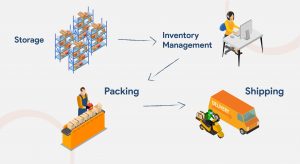
- Inventory Management: Machine learning models forecast demand with high precision, helping retailers avoid stockouts or overstocking. This reduces waste and improves operational efficiency.
- Fraud Detection: AI systems identify suspicious transactions by detecting patterns that deviate from normal behavior, protecting both businesses and customers from fraudulent activities.
- Visual Search: Shoppers can upload images to find similar or exact products, eliminating the need for long text searches. This feature enhances discovery and reduces friction in the buying process.
Frequently Asked Questions / Pros & Cons
How does AI improve customer service in e-commerce?
AI enhances customer service by providing instant responses through chatbots, resolving common issues without human intervention, and offering 24/7 support. It also uses sentiment analysis to detect frustrated customers and escalate issues to human agents when needed.
What are the main benefits of using AI in e-commerce?
- Increased efficiency through automation of routine tasks.
- Higher accuracy in demand forecasting and inventory management.
- Enhanced personalization that drives sales and customer retention.
- Better fraud prevention and security measures.
What are the potential downsides of AI in retail?
One major concern is data privacy. Collecting and analyzing vast amounts of customer data raises ethical questions about consent and security. Additionally, over-reliance on AI can lead to reduced human touch in customer interactions, which some consumers prefer. Implementation costs and the need for skilled personnel to manage AI systems are also significant challenges.
Is AI only for large retailers?
No, AI tools have become more accessible and affordable, even for small businesses. Many platforms offer AI-powered features as part of their subscription services, allowing smaller retailers to compete with larger players without heavy upfront investments.
Practical Guidance & Solutions
For businesses looking to adopt AI in e-commerce, the first step is to identify areas where automation and intelligence can add the most value. Start with customer-facing features like chatbots or personalized recommendations, as these have immediate impact. Invest in data collection and ensure your systems are equipped to handle large datasets securely. Training staff to work alongside AI tools is also vital, as human oversight remains essential for strategy and ethical considerations. Small businesses should explore cloud-based AI solutions that require minimal setup, while larger enterprises may benefit from custom-built models. Regularly review performance metrics to refine AI strategies and stay aligned with evolving customer expectations.
Conclusion
The future of shopping is being written today, and AI is the pen in the hands of innovators. From hyper-personalized experiences to smarter logistics, AI is making e-commerce more efficient, engaging, and customer-centric. While challenges like data privacy and implementation costs remain, the benefits far outweigh the risks for those willing to adapt. The most successful retailers will be those that embrace AI not as a replacement for human touch, but as a powerful tool to amplify it. As technology continues to evolve, one thing is clear: the shopping experience of tomorrow will be defined by intelligence, intuition, and seamless convenience. The revolution is here, and it is intelligent.