
Green Profits, Clean Future: Pioneering Sustainable Business Growth
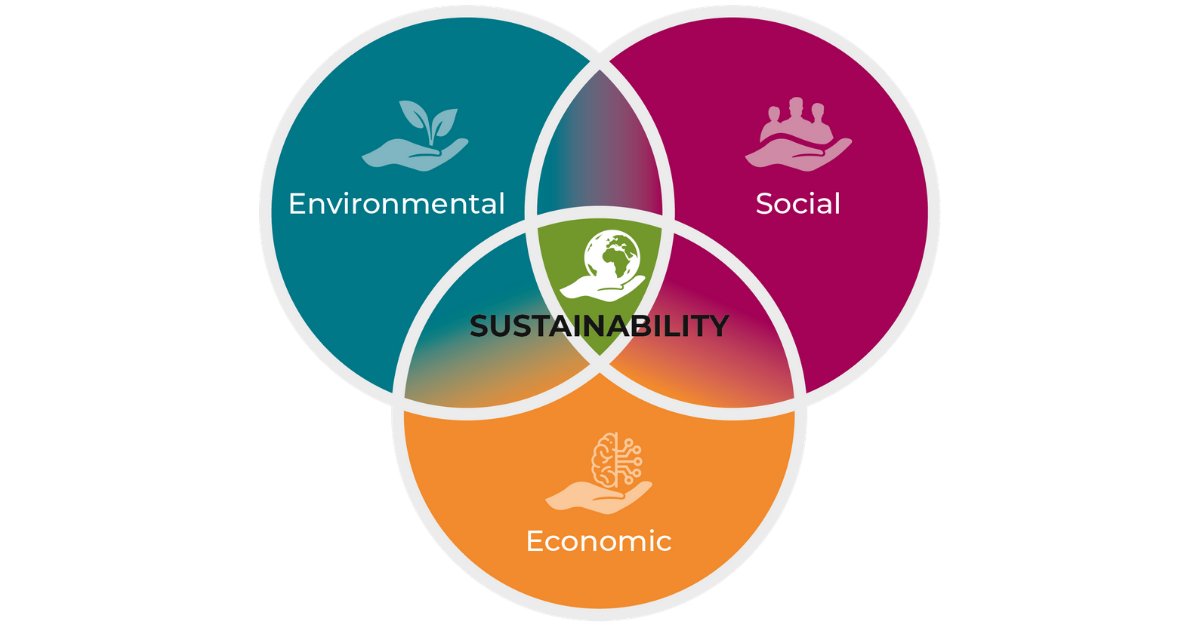
In an era where environmental concerns are at the forefront of global discourse, businesses are increasingly recognizing the importance of sustainability—not just as a moral obligation, but as a strategic advantage. The concept of “Green Profits” goes beyond mere eco-friendly gestures; it represents a transformative approach to business growth that aligns profitability with environmental stewardship. By adopting sustainable practices, companies can unlock new revenue streams, enhance brand reputation, and future-proof their operations against regulatory and market shifts. This article explores how businesses can pioneer sustainable growth while driving financial success, creating a win-win scenario for both the planet and their bottom line.
The Business Case for Sustainability
Contrary to the misconception that sustainability comes at the cost of profitability, research consistently shows that environmentally responsible businesses often outperform their peers. A 2023 report by McKinsey & Company found that companies with strong ESG (Environmental, Social, and Governance) ratings were 25% more likely to outperform their industry peers in terms of financial returns. This advantage stems from several key factors:
- Cost Savings: Sustainable practices like energy efficiency, waste reduction, and circular economy models can significantly lower operational costs. For example, Unilever’s “Sustainable Living” brands grew 69% faster than its other products in 2022 while reducing costs by €1 billion annually.
- Revenue Growth: Consumers are increasingly demanding sustainable products. According to NielsenIQ, 78% of consumers are willing to pay more for products with sustainable attributes, creating new market opportunities for innovative businesses.
- Risk Mitigation: Regulatory pressures, such as carbon pricing and stricter environmental laws, pose risks to businesses that fail to adapt. Proactive sustainability measures help companies stay ahead of compliance requirements and avoid penalties.
- Talent Attraction: Employees, particularly younger generations, prefer to work for companies with strong ethical values. A Deloitte survey revealed that 57% of millennials consider a company’s social and environmental impact when choosing an employer.
The dual benefits of profitability and sustainability make a compelling case for businesses to integrate green practices into their core strategies. However, transitioning to a sustainable model requires more than just good intentions—it demands innovation, investment, and a long-term vision.
Key Strategies for Sustainable Business Growth
To pioneer sustainable growth, businesses must adopt a holistic approach that encompasses operational efficiency, product innovation, and stakeholder engagement. Below are some proven strategies to help companies achieve both environmental and financial success:
1. Embrace the Circular Economy
The traditional linear economy—take, make, dispose—is inherently wasteful and resource-intensive. The circular economy, on the other hand, prioritizes reuse, repair, and recycling to minimize waste and maximize resource efficiency. Businesses can adopt circular principles in several ways:
- Product Design: Design products for durability, repairability, and recyclability. Patagonia’s “Worn Wear” program encourages customers to repair and reuse its clothing, reducing the need for new purchases.
- Waste Reduction: Implement zero-waste policies and partner with recycling facilities to ensure materials are repurposed. IKEA, for example, aims to become fully circular by 2030 by using only renewable or recycled materials.
- Collaboration: Form partnerships with suppliers, customers, and even competitors to create closed-loop systems. Apple’s recycling robot, Daisy, disassembles old iPhones to recover valuable materials for new products.
By transitioning to a circular model, businesses can reduce costs, create new revenue streams from recycled materials, and appeal to environmentally conscious consumers.
2. Invest in Renewable Energy
Energy consumption is a major contributor to carbon emissions, but it also represents a significant opportunity for cost savings and sustainability. Businesses can reduce their environmental footprint—and their energy bills—by transitioning to renewable energy sources:
- On-Site Generation: Install solar panels, wind turbines, or geothermal systems to generate clean energy on-site. Google and Amazon have made substantial investments in renewable energy to power their data centers and operations.
- Energy Efficiency: Upgrade to energy-efficient appliances, lighting, and HVAC systems to reduce consumption. Walmart reduced its energy costs by $1 billion annually by implementing LED lighting and optimizing its supply chain.
- Renewable Energy Credits (RECs): Purchase RECs to offset energy use from non-renewable sources. Many companies, including Microsoft, use RECs to achieve carbon neutrality.
Beyond cost savings, renewable energy investments enhance a company’s brand image and attract investors who prioritize ESG performance.
3. Adopt Sustainable Supply Chain Practices
A company’s environmental impact extends beyond its own operations—it includes the entire supply chain. Sustainable supply chain management involves sourcing raw materials responsibly, reducing transportation emissions, and ensuring fair labor practices. Key steps include:
- Sustainable Sourcing: Partner with suppliers that adhere to ethical and environmental standards. Nestlé, for example, sources its cocoa, coffee, and palm oil from certified sustainable farms to reduce deforestation and improve farmer livelihoods.
- Local Production: Reduce carbon emissions from transportation by sourcing materials locally or near your production facilities. This also supports local economies and reduces supply chain disruptions.
- Eco-Friendly Packaging: Shift to biodegradable, recyclable, or reusable packaging to minimize waste. Lush Cosmetics uses minimal packaging and encourages customers to return empty containers for recycling.
A sustainable supply chain not only reduces environmental harm but also mitigates risks such as resource scarcity and regulatory fines. It also resonates with consumers who increasingly value transparency and ethical business practices.
4. Innovate for Sustainability
Sustainability and innovation go hand in hand. Businesses that pioneer new technologies and business models can gain a competitive edge while addressing environmental challenges. Some areas to focus on include:
- Green Technology: Develop or adopt technologies that reduce waste, energy use, or emissions. Tesla’s electric vehicles and Beyond Meat’s plant-based meat alternatives are examples of how innovation can disrupt industries while promoting sustainability.
- Sustainable Products: Create products with a lower environmental impact than traditional alternatives. Clorox’s eco-friendly cleaning products and Allbirds’ carbon-negative shoes are designed to appeal to eco-conscious consumers.
- Digital Transformation: Use digital tools to optimize resource use and reduce waste. AI-powered energy management systems, for instance, can help businesses monitor and reduce their energy consumption in real time.
Innovation not only drives profitability but also positions businesses as leaders in their industries, attracting customers and investors alike.
Overcoming Challenges in Sustainable Business Growth
While the benefits of sustainability are clear, businesses often face obstacles in implementing green strategies. Common challenges include:
High Initial Costs
Investing in renewable energy, sustainable materials, or circular economy models often requires significant upfront capital. However, these costs can be offset by long-term savings and grants, tax incentives, and low-interest loans available for sustainable projects. For example, the U.S. Inflation Reduction Act offers tax credits for businesses that adopt clean energy solutions.
Consumer Skepticism
Some consumers remain skeptical of green claims, a phenomenon known as “greenwashing.” To build trust, businesses must prioritize transparency and authenticity. This can be achieved by:
- Obtaining third-party certifications, such as B Corp, Fair Trade, or Energy Star.
- Providing clear, verifiable data on sustainability efforts and impact.
- Avoiding misleading marketing and ensuring that claims are backed by measurable actions.
Regulatory Complexity
Navigating the evolving landscape of environmental regulations can be daunting. Businesses can stay ahead by:
- Monitoring local, national, and international policies to anticipate changes.
- Engaging with industry associations and advocacy groups to shape regulations proactively.
- Implementing internal compliance teams or consulting experts to ensure adherence to standards.
The Future of Sustainable Business
The trajectory of business growth is inexorably tied to sustainability. As climate change intensifies and resources become scarcer, companies that fail to adapt will face declining competitiveness and investor scrutiny. Conversely, those that embrace sustainable practices today will be well-positioned to thrive in the green economy of tomorrow. The future of sustainable business growth will be shaped by several key trends:
1. Net-Zero Commitments
More companies are pledging to achieve net-zero emissions, a goal that requires significant investment in renewable energy, carbon offsetting, and sustainable supply chains. The Science Based Targets initiative (SBTi) has seen a surge in corporate commitments, with over 4,000 companies joining the movement to limit global warming to 1.5°C.
2. Regenerative Business Models
Beyond sustainability, regenerative business models aim to restore and enhance the environment. This includes reforestation initiatives, regenerative agriculture, and water conservation efforts. Companies like Danone and Unilever are investing in regenerative practices to replenish natural resources while securing their supply chains.
3. Green Finance and Investment
The rise of green bonds, impact investing, and ESG-focused funds is providing businesses with the capital needed to scale sustainable solutions. According to BloombergNEF, global investments in clean energy reached $1.3 trillion in 2022, signaling a shift toward financing that prioritizes environmental and social outcomes alongside financial returns.
4. Consumer and Employee Activism
Stakeholders are increasingly holding businesses accountable for their environmental impact. Consumers are voting with their wallets, while employees are demanding purpose-driven roles. Companies that ignore these pressures risk reputational damage and talent attrition. On the other hand, those that align with stakeholder values will foster loyalty and long-term success.
Conclusion: Profits and Planet in Harmony
The narrative that sustainability and profitability are mutually exclusive is rapidly fading. Today, businesses that pioneer green growth are not only contributing to a cleaner future but also securing their own success. By embracing the circular economy, investing in renewable energy, adopting sustainable supply chains, and fostering innovation, companies can drive both financial and environmental returns. While challenges such as high costs and regulatory complexity remain, the long-term benefits far outweigh the obstacles.
As we look to the future, the businesses that will lead the charge are those that recognize that green profits are not just a trend—they are the foundation of a resilient, thriving, and sustainable economy. The time to act is now, and the rewards will extend far beyond the balance sheet, creating a legacy of positive impact for generations to come.