Introduction & Background
In today’s fast-paced world, digital innovation stands at the heart of progress, reshaping industries, economies, and daily lives. The rapid advancement of technology has unlocked unprecedented opportunities for growth and efficiency, driving societies toward a future where connectivity and intelligence converge. From artificial intelligence to blockchain, digital transformation is not merely a trend but a fundamental shift that redefines how we live, work, and interact. This transformation is fueled by the relentless pursuit of smarter solutions, sustainable practices, and seamless experiences for users worldwide.
Digital innovation encompasses more than just new tools or gadgets. It represents a holistic approach to solving complex challenges through technology, fostering collaboration across sectors, and empowering individuals with tools that enhance productivity and creativity. As businesses and governments embrace these changes, the potential for positive impact grows exponentially, promising a tomorrow where innovation is accessible, inclusive, and transformative.
Concept & Overview
Digital innovation refers to the application of digital technology to create or improve products, services, and processes. At its core, it leverages advancements such as cloud computing, big data analytics, the Internet of Things (IoT), and automation to drive efficiency and value. Unlike traditional innovation, which may rely on gradual improvements, digital innovation thrives on disruption, challenging existing norms and introducing groundbreaking solutions that were once unimaginable.
The foundation of digital innovation rests on three key principles: connectivity, intelligence, and adaptability. Connectivity ensures seamless communication and data exchange, intelligence enables systems to learn and make informed decisions, and adaptability allows organizations to evolve with changing demands. Together, these principles create an ecosystem where innovation flourishes, enabling businesses to stay competitive and societies to thrive.
Key Features & Highlights
- Artificial Intelligence and Machine Learning: AI algorithms analyze vast datasets to uncover patterns, automate tasks, and provide personalized experiences, from virtual assistants to predictive maintenance in industries.
- Blockchain Technology: This decentralized ledger system enhances security and transparency, enabling secure transactions, smart contracts, and traceable supply chains without intermediaries.
- Cloud Computing: By offering on-demand access to computing resources, cloud platforms allow businesses to scale operations efficiently, reduce costs, and foster remote collaboration.
- Internet of Things (IoT): IoT devices collect real-time data from physical environments, enabling smarter cities, homes, and industries through connected sensors and devices.
- Big Data Analytics: Advanced analytics tools process large volumes of data to extract actionable insights, helping organizations make data-driven decisions and improve customer experiences.
Frequently Asked Questions / Pros & Cons
What are the primary benefits of digital innovation?
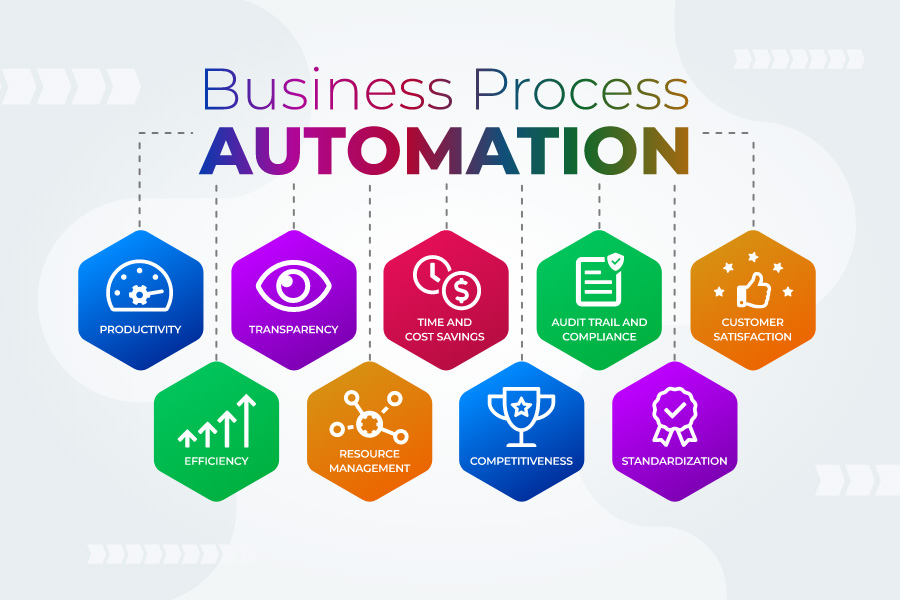
Digital innovation enhances efficiency by automating routine tasks, reduces costs through optimized processes, and improves decision-making through data-driven insights. It also fosters innovation cycles, enabling businesses to adapt quickly to market changes and customer needs.
What are the challenges associated with digital innovation?
One major challenge is the need for significant investment in technology and talent. Additionally, cybersecurity risks increase as systems become more interconnected, requiring robust measures to protect sensitive data. Resistance to change within organizations can also slow adoption.
Is digital innovation only for large corporations?
No, digital innovation is accessible to businesses of all sizes. Small and medium enterprises can leverage cloud-based tools and open-source software to implement digital solutions cost-effectively. Startups, in particular, often pioneer disruptive innovations that larger companies later adopt.
How can individuals stay relevant in a digitally innovative world?
Continuous learning is key. Engaging in online courses, certifications, and hands-on projects can build digital literacy. Networking with professionals in emerging fields and staying updated on industry trends also helps individuals remain competitive in evolving job markets.
Practical Guidance & Solutions
For businesses looking to embrace digital innovation, the first step is conducting a thorough assessment of current processes and identifying areas for improvement. Prioritizing projects based on potential impact and feasibility ensures a smoother transition. Investing in employee training programs fosters a culture of innovation and prepares teams for new technologies.
Startups and entrepreneurs should focus on solving specific problems with scalable solutions. Prototyping and iterating based on user feedback can refine offerings before full-scale deployment. Leveraging government grants or innovation hubs can provide financial support and resources to accelerate growth.
On a personal level, individuals can integrate digital tools into daily routines to enhance productivity. Using project management software, collaboration platforms, and AI-powered assistants streamlines workflows. Building a personal brand through online portfolios or professional networks can also open doors to new opportunities in a digital economy.
Conclusion
Digital innovation is not just a catalyst for change. It is the driving force behind a future where possibilities are limitless and boundaries are continually pushed. As technology evolves, so too does our capacity to solve global challenges, improve quality of life, and create sustainable systems. The journey toward this tomorrow begins today, with each step in digital innovation bringing us closer to a smarter, more connected world. By embracing change, fostering collaboration, and prioritizing inclusivity, we can ensure that the benefits of innovation are shared by all, paving the way for a brighter, more innovative future.