
Revolutionizing Tomorrow: How AI is Redefining Human Creativity and Efficiency
Artificial Intelligence (AI) is no longer a futuristic concept confined to science fiction—it is reshaping the way we live, work, and create. From accelerating innovation in industries to enhancing artistic expression, AI is unlocking new frontiers in human potential. As machines learn to mimic cognitive functions, they are not just automating tasks; they are redefining creativity and efficiency in ways previously unimaginable. This transformation is not about replacing human ingenuity but amplifying it, enabling us to achieve more with less effort while exploring uncharted territories of imagination and productivity.
AI as a Catalyst for Human Creativity
The notion that AI stifles creativity is a common misconception. In reality, AI acts as a powerful collaborator, offering tools that augment human imagination rather than suppress it. By handling repetitive and mundane tasks, AI frees up mental space for deeper, more innovative thinking. Here’s how AI is revolutionizing creativity across various domains:
- Art and Design: AI-powered tools like DALL·E, MidJourney, and Stable Diffusion enable artists to generate stunning visuals from text prompts, pushing the boundaries of visual storytelling. These platforms allow creators to experiment with styles and concepts in seconds, something that would take hours or even days manually.
- Music Composition: AI algorithms, such as AIVA and Amper Music, can compose original scores by analyzing vast datasets of musical patterns. Musicians use these tools to overcome writer’s block, experiment with new genres, or even co-create with AI to produce hybrid compositions that blend human emotion with algorithmic precision.
- Writing and Storytelling: Tools like Jasper, Copy.ai, and Sudowrite assist writers by generating drafts, suggesting plot twists, or refining prose. While AI doesn’t replace the human touch, it helps overcome the blank-page syndrome and fosters iterative refinement, allowing authors to focus on narrative depth and emotional resonance.
- Film and Animation: AI is transforming filmmaking by automating tasks like color grading, 3D modeling, and even scriptwriting. Platforms like Runway ML and Synthesia enable filmmakers to create realistic deepfake avatars or generate entire scenes from text descriptions, democratizing access to high-quality production tools.
At its core, AI doesn’t diminish human creativity—it democratizes it. By lowering the barriers to entry, AI empowers individuals from diverse backgrounds to express themselves, experiment fearlessly, and bring their visions to life without the need for extensive technical expertise.
Enhancing Efficiency Through Intelligent Automation
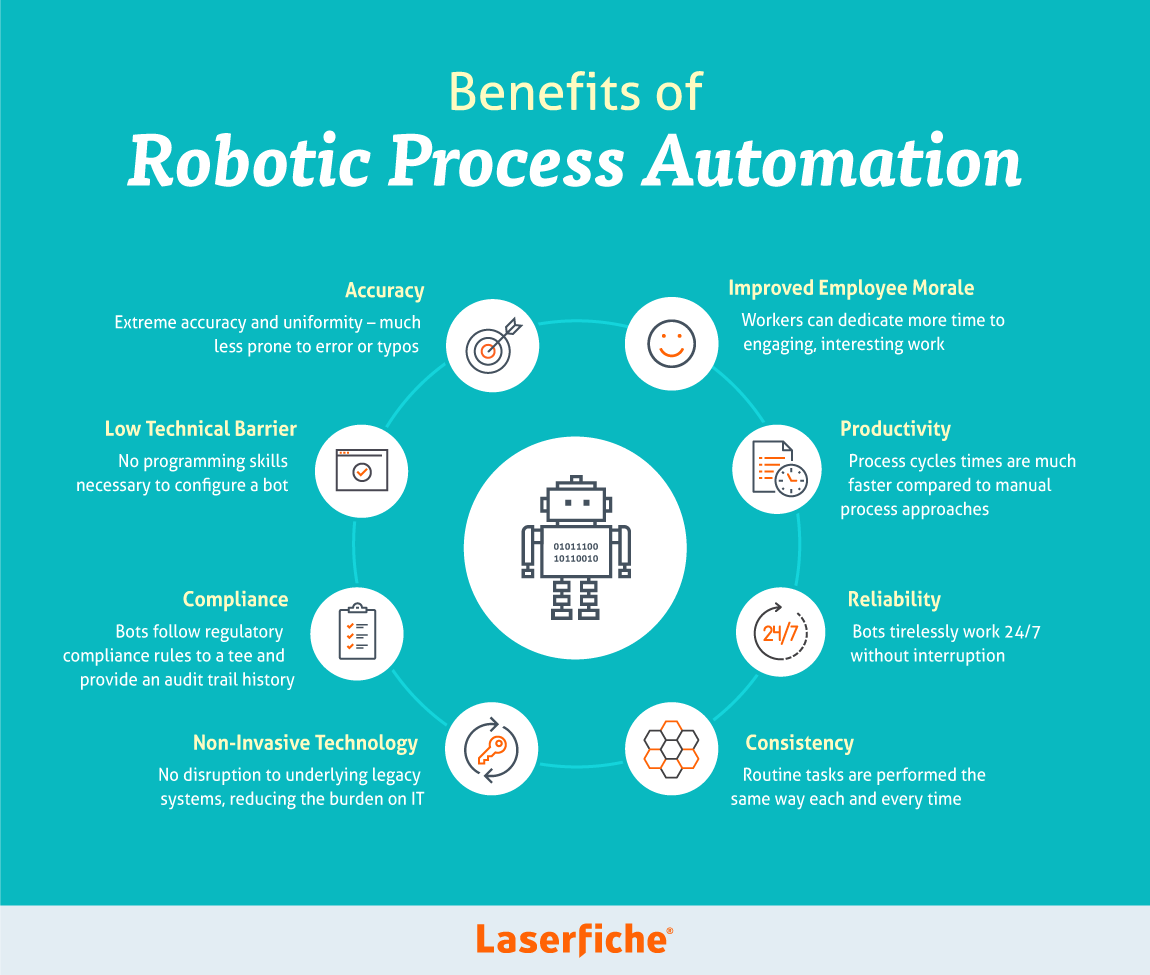
Efficiency has always been a cornerstone of progress, and AI is taking it to unprecedented levels. Automation powered by AI is not just about replacing manual labor; it’s about optimizing workflows, reducing errors, and enabling faster decision-making. Here’s how AI is streamlining processes across industries:
- Manufacturing and Supply Chain: AI-driven predictive maintenance uses sensor data to anticipate equipment failures before they occur, minimizing downtime. In logistics, AI optimizes delivery routes, reduces fuel consumption, and manages inventory levels with remarkable accuracy, as seen in companies like Amazon and Tesla.
- Healthcare: AI is revolutionizing diagnostics, drug discovery, and patient care. Machine learning models analyze medical images with precision rivaling human radiologists, while AI-powered chatbots like Ada Health assist in preliminary diagnoses and personalized treatment recommendations. This not only speeds up healthcare delivery but also reduces costs and improves outcomes.
- Finance and Business: AI algorithms detect fraudulent transactions in real-time, assess credit risks with greater accuracy, and automate routine financial tasks like invoicing and payroll. In customer service, AI chatbots and virtual assistants handle millions of inquiries simultaneously, providing instant support and freeing up human agents for more complex issues.
- Software Development: AI is accelerating coding through tools like GitHub Copilot, which suggests code snippets and debugs errors in real-time. These tools reduce development time by up to 50% in some cases, allowing programmers to focus on high-level problem-solving rather than syntax errors.
The key to AI’s efficiency lies in its ability to process vast amounts of data at speeds unattainable by humans. By identifying patterns, predicting trends, and automating repetitive tasks, AI enables organizations to operate with greater agility and precision, ultimately driving innovation and growth.
The Synergy Between AI and Human Ingenuity
While AI excels at data processing and pattern recognition, it lacks the emotional intelligence, ethical reasoning, and contextual understanding that define human creativity. The future lies in the synergy between AI and human intelligence—a partnership where machines handle the heavy lifting, and humans provide the vision, empathy, and critical thinking. This collaboration is already yielding remarkable results:
- Personalized Learning: AI tutors like Duolingo and Khan Academy use adaptive learning algorithms to tailor educational content to individual students’ needs. These systems identify strengths and weaknesses, adjust difficulty levels, and provide instant feedback, enhancing learning outcomes without replacing the role of educators.
- Scientific Discovery: AI accelerates research by sifting through scientific literature, proposing hypotheses, and even designing experiments. For example, AI was instrumental in accelerating COVID-19 vaccine development by analyzing protein structures and simulating potential drug interactions.
- Urban Planning and Sustainability: AI models simulate traffic patterns, optimize energy consumption, and predict environmental impacts, aiding city planners in creating smarter, more sustainable urban environments. Projects like Google’s DeepMind energy-saving AI for data centers demonstrate how AI can contribute to global sustainability goals.
- Social Impact and Ethics: AI is being leveraged to address global challenges such as poverty, climate change, and healthcare disparities. Organizations like the AI for Good Foundation use machine learning to analyze satellite imagery for disaster response or predict crop yields to combat food insecurity.
The fusion of AI and human creativity is creating a new paradigm where technology doesn’t just assist but elevates human potential. By offloading routine tasks to AI, humans can dedicate more time to innovation, problem-solving, and meaningful interactions that drive societal progress.
The Challenges and Ethical Considerations
Despite its transformative potential, AI’s integration into society is not without challenges. Ethical concerns, such as bias in algorithms, job displacement, and the misuse of AI for manipulation or surveillance, demand careful consideration. Addressing these issues requires a collaborative effort between technologists, policymakers, and society at large:
- Bias and Fairness: AI systems trained on biased data can perpetuate and amplify societal prejudices. For instance, facial recognition algorithms have been shown to have higher error rates for people of color. Ensuring diversity in training datasets and implementing transparency in AI decision-making are critical steps toward fairness.
- Job Displacement: While AI creates new job opportunities, it also renders certain roles obsolete. The key lies in reskilling and upskilling the workforce to adapt to an AI-augmented economy. Governments and educational institutions must invest in lifelong learning programs to prepare individuals for the jobs of the future.
- Privacy and Security: AI’s reliance on vast datasets raises concerns about data privacy and security. The misuse of personal data by corporations or governments can erode trust and lead to surveillance capitalism. Robust regulations, such as GDPR, are essential to protect individual rights while fostering innovation.
- Accountability: Determining liability in AI-driven decisions poses legal challenges. For example, if an autonomous vehicle causes an accident, who is responsible—the manufacturer, the programmer, or the AI itself? Establishing clear frameworks for accountability is crucial to building public trust in AI technologies.
Ethical AI development must prioritize transparency, inclusivity, and human-centric design. By fostering an open dialogue and implementing guardrails, society can harness AI’s potential while mitigating its risks.
Preparing for an AI-Augmented Future
The AI revolution is already underway, and its trajectory is set to accelerate. To thrive in this new landscape, individuals and organizations must adopt a forward-thinking mindset. Here are some steps to prepare for an AI-augmented future:
- Embrace Lifelong Learning: The rapid pace of technological change necessitates continuous learning. Online platforms like Coursera, Udemy, and edX offer courses on AI, machine learning, and digital literacy, enabling individuals to stay relevant in the job market.
- Develop Complementary Skills: While AI excels at data analysis and automation, skills like emotional intelligence, creativity, complex problem-solving, and interpersonal communication will become increasingly valuable. These uniquely human traits are irreplaceable by machines.
- Foster Human-AI Collaboration: Organizations should cultivate a culture that encourages collaboration between humans and AI. This involves training employees to use AI tools effectively and integrating AI into workflows to enhance productivity rather than replace jobs.
- Advocate for Ethical AI: Supporting initiatives that promote ethical AI development, such as open-source AI tools and transparent algorithms, ensures that technology serves the greater good. Engaging in policy discussions and advocating for regulations that protect individual rights is equally important.
The future is not one where AI dominates humanity but one where humans and machines coexist in a symbiotic relationship. By leveraging AI’s capabilities to augment human potential, we can unlock unprecedented levels of creativity, efficiency, and innovation, paving the way for a brighter tomorrow.
Conclusion: A New Era of Possibility
AI is not just a tool—it is a transformative force that is redefining the boundaries of what humans can achieve. From unleashing creativity to streamlining efficiency, AI is revolutionizing industries and empowering individuals to dream bigger and work smarter. However, this potential comes with responsibilities: ethical considerations, workforce adaptation, and societal engagement are critical to ensuring that AI serves as a force for good.
As we stand on the precipice of this new era, the question is not whether AI will change the world but how we will shape that change. By embracing AI as a partner rather than a competitor, we can harness its power to create a future that is more innovative, equitable, and human-centric. The revolution is here—it’s time to redefine what’s possible.