Introduction & Background
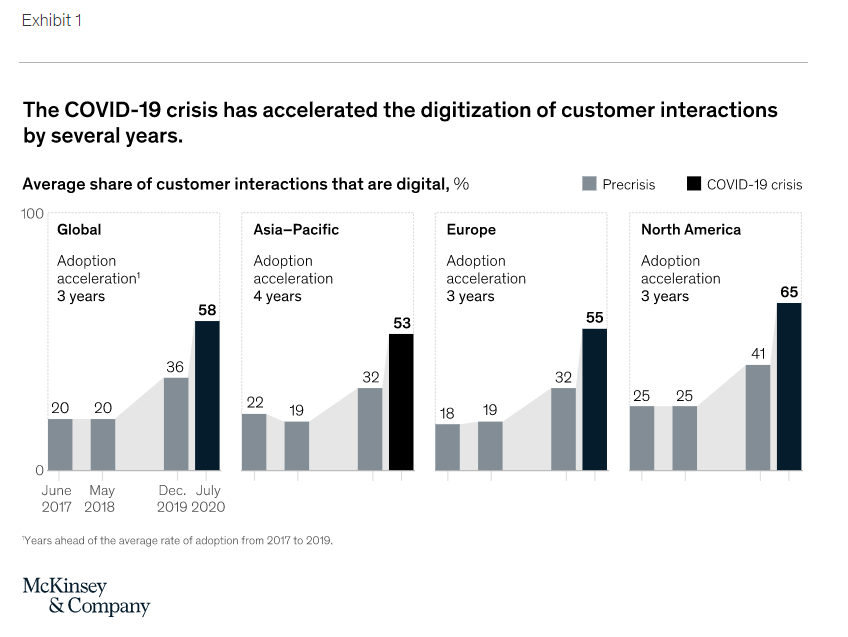
In an era defined by rapid technological advancements, digital innovation stands at the forefront of transforming industries, economies, and daily lives. The shift from traditional methods to digital solutions has accelerated at an unprecedented pace, driven by the need for efficiency, connectivity, and sustainability. Businesses, governments, and individuals are embracing digital tools to streamline operations, enhance customer experiences, and unlock new opportunities. This transformation is not merely a trend but a fundamental evolution that is reshaping the way we live and work. Understanding the power of digital innovation today is crucial for anyone looking to stay relevant and competitive in an increasingly digital world.
Concept & Overview
Digital innovation refers to the application of digital technology to create new or improved products, services, and processes. It encompasses a wide range of technologies, including artificial intelligence, blockchain, the Internet of Things, cloud computing, and big data analytics. At its core, digital innovation is about leveraging these technologies to solve complex problems, enhance decision-making, and drive growth. Unlike traditional innovation, which often relies on incremental improvements, digital innovation thrives on disruption and transformation. It empowers organizations to break free from conventional constraints and explore new frontiers of possibility. By integrating digital tools into their strategies, businesses can achieve scalability, agility, and resilience in an ever-changing landscape.
Key Features & Highlights
- Artificial Intelligence (AI): AI is revolutionizing industries by enabling machines to perform tasks that typically require human intelligence. From chatbots and virtual assistants to predictive analytics and autonomous systems, AI is enhancing efficiency and personalizing experiences across sectors.
- Blockchain Technology: Known for its decentralized and secure nature, blockchain is transforming industries like finance, supply chain, and healthcare. It ensures transparency, reduces fraud, and streamlines transactions by eliminating intermediaries.
- Internet of Things (IoT): IoT connects everyday devices to the internet, allowing them to send and receive data. This connectivity enables smarter homes, cities, and industries, leading to improved resource management and operational efficiency.
- Cloud Computing: Cloud platforms provide scalable and flexible solutions for data storage, processing, and collaboration. Businesses can leverage cloud services to reduce costs, enhance accessibility, and foster innovation without heavy infrastructure investments.
- Big Data Analytics: The ability to analyze vast amounts of data in real-time is a game-changer for decision-making. Big data analytics helps organizations uncover trends, predict outcomes, and tailor strategies to meet customer needs more effectively.
- Automation: Automation technologies, such as robotic process automation (RPA) and robotic systems, are streamlining repetitive tasks and reducing human error. This not only boosts productivity but also allows employees to focus on more strategic and creative work.
Frequently Asked Questions / Pros & Cons
What are the main benefits of adopting digital innovation in business?
Adopting digital innovation offers numerous benefits, including increased efficiency, cost savings, improved customer experiences, and enhanced competitiveness. Digital tools enable businesses to automate processes, gain real-time insights, and respond quickly to market changes. Additionally, digital innovation fosters innovation culture, attracts top talent, and opens new revenue streams.
What challenges do organizations face when implementing digital innovation?
Organizations often encounter challenges such as high initial costs, resistance to change, cybersecurity risks, and the need for upskilling employees. Integrating new technologies with existing systems can also be complex, requiring careful planning and investment in infrastructure. Moreover, data privacy regulations and ethical concerns pose additional hurdles that must be addressed.
Is digital innovation only for large enterprises, or can small businesses benefit too?
Digital innovation is not limited to large enterprises. Small businesses can leverage digital tools to compete with larger players by improving efficiency, reaching new customers, and enhancing product offerings. Cloud-based solutions, for example, provide affordable access to advanced technologies without significant upfront investments. The key is to identify the right tools and strategies that align with the business’s unique needs and goals.
How does digital innovation impact job markets and employment?
Digital innovation can both create and disrupt jobs. While it automates repetitive tasks, it also generates demand for new roles in areas such as data science, cybersecurity, and AI development. However, organizations must invest in reskilling and upskilling programs to ensure their workforce remains adaptable and competitive in the evolving job market.
Practical Guidance & Solutions
To harness the power of digital innovation effectively, organizations should start by assessing their current capabilities and identifying areas where digital tools can drive the most impact. This involves conducting a thorough digital audit, setting clear objectives, and aligning innovation strategies with business goals. Investing in employee training and fostering a culture of continuous learning is equally important, as it ensures that teams are equipped to embrace new technologies.
For small businesses, exploring affordable digital solutions such as cloud-based software, e-commerce platforms, and social media marketing can provide a competitive edge without significant financial strain. Collaborating with tech partners or joining industry networks can also offer valuable insights and resources to accelerate digital transformation.
On a broader scale, governments and policymakers play a critical role in supporting digital innovation by creating regulatory frameworks that encourage investment, protect data privacy, and promote digital literacy. Encouraging public-private partnerships and funding research and development initiatives can further bolster innovation ecosystems.
Conclusion
Digital innovation is not just a buzzword but a transformative force that is redefining the way we interact with technology and each other. From artificial intelligence to blockchain, these advancements are unlocking new possibilities and driving progress across industries. While challenges such as cybersecurity and workforce adaptation remain, the benefits of embracing digital innovation far outweigh the risks. By taking proactive steps to integrate digital tools and fostering a culture of innovation, businesses and individuals can position themselves at the forefront of this revolution. The future belongs to those who are ready to adapt, innovate, and harness the power of digital transformation today to shape a better tomorrow.