
The Rise of Business Automation: A Necessity in the Digital Age
In an era where efficiency and speed define success, business automation has emerged as the cornerstone of modern enterprise. Gone are the days when manual processes and repetitive tasks dictated workflows. Today, organizations that embrace automation are not just staying ahead—they are redefining industries. The secret weapon of modern success lies in leveraging technology to streamline operations, reduce human error, and free up valuable time for innovation and strategic thinking.
Business automation isn’t just a trend; it’s a fundamental shift in how companies operate. From small startups to Fortune 500 corporations, automation is leveling the playing field, allowing businesses to scale rapidly while maintaining precision. The question isn’t whether to automate, but how deeply and intelligently businesses can integrate automation into their core workflows. Those who fail to adapt risk falling behind in a world where agility and responsiveness are non-negotiable.
The Key Benefits of Business Automation
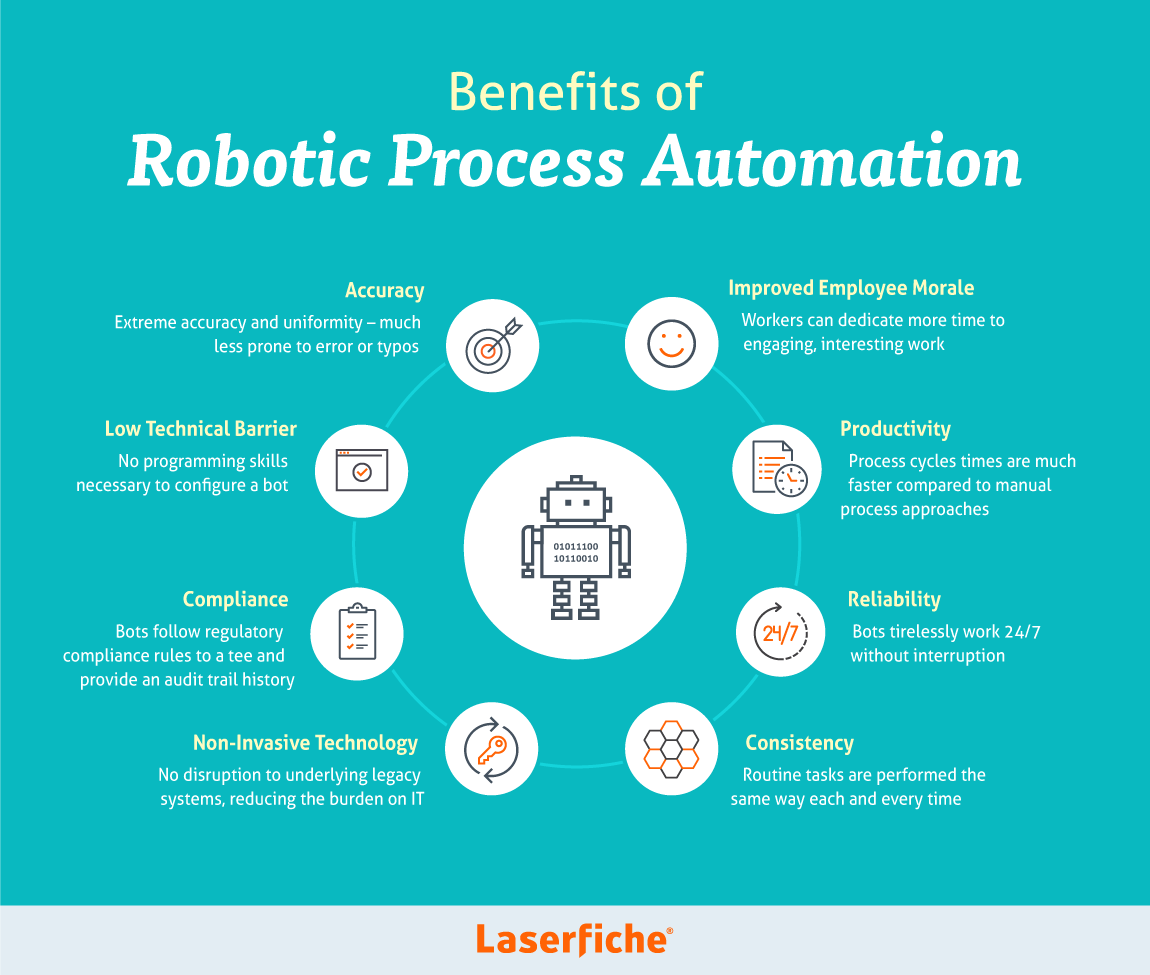
Automation isn’t just about cutting costs—it’s about unlocking new levels of productivity, accuracy, and customer satisfaction. Below are the most transformative benefits that make automation a secret weapon for modern success:
1. Enhanced Efficiency and Faster Execution
Repetitive tasks like data entry, invoice processing, and customer onboarding consume countless hours. Automation eliminates these bottlenecks by handling routine processes with machine-like precision. Tasks that once took days can now be completed in minutes, allowing teams to focus on high-value activities that drive growth. For example, automated workflows in supply chain management can reduce order processing time by up to 70%, ensuring faster delivery and improved customer loyalty.
2. Reduced Human Error and Improved Accuracy
Even the most diligent employees are prone to mistakes when dealing with monotonous tasks. Automation removes the risk of human error, ensuring consistency and reliability in operations. In industries like finance and healthcare, where precision is critical, automated systems can cross-verify data, flag inconsistencies, and even predict potential issues before they arise. This not only safeguards against costly errors but also builds trust with clients and stakeholders.
3. Cost Savings and Resource Optimization
Labor costs are one of the biggest expenses for businesses. Automation reduces the need for manual intervention, allowing companies to allocate human resources to areas that require creativity, problem-solving, and emotional intelligence. Over time, this leads to significant cost reductions—some organizations report saving millions annually by automating back-office functions. Additionally, automation tools often require less maintenance than traditional systems, further lowering operational expenses.
4. Scalability Without the Growing Pains
Manual processes struggle to keep up with rapid growth. A small business handling 100 orders a day may manage fine, but what happens when that number jumps to 10,000? Automation scales effortlessly, handling increased workloads without the need for proportional hiring or infrastructure upgrades. This is particularly valuable for e-commerce businesses, SaaS companies, and service providers that experience fluctuating demand. Automation ensures that growth doesn’t come at the cost of quality or customer experience.
5. Data-Driven Decision Making
Automation doesn’t just perform tasks—it generates valuable data. Every automated process leaves a digital footprint, providing insights into performance, bottlenecks, and opportunities for improvement. Businesses can use this data to refine their strategies, identify trends, and make informed decisions. For instance, automated CRM systems can track customer interactions, helping sales teams prioritize leads and tailor their approaches for higher conversion rates.
Industries Leading the Automation Revolution
While automation is universal, some industries have been quicker to adopt and benefit from it than others. Here’s how different sectors are leveraging automation to gain a competitive edge:
1. Manufacturing and Supply Chain
Automation in manufacturing isn’t new—robotic arms and conveyor belts have been around for decades. However, the next wave of innovation is integrating artificial intelligence (AI) and machine learning (ML) to create “smart factories.” These facilities use automation to predict maintenance needs, optimize production lines, and even customize products on demand. In supply chain management, automation tools like AI-driven demand forecasting and automated warehousing reduce waste and improve delivery times. Companies like Amazon and Tesla are prime examples of how automation can revolutionize efficiency.
2. Finance and Accounting
The finance sector was one of the earliest adopters of automation, and today’s tools are more sophisticated than ever. Automated invoicing, expense tracking, and payroll processing are standard in many organizations. Advanced systems use AI to detect fraudulent transactions, assess credit risks, and even automate investment strategies. For accounting firms, automation means faster month-end closes, fewer discrepancies, and the ability to serve more clients without increasing headcount. Fintech companies like Stripe and QuickBooks are at the forefront of this transformation.
3. Healthcare and Telemedicine
Healthcare automation is saving lives by reducing administrative burdens and improving patient care. Electronic Health Records (EHRs) automate patient data management, appointment scheduling, and billing, freeing up doctors to focus on treatment. AI-powered diagnostic tools can analyze medical images faster and more accurately than humans, leading to early detection of diseases. Telemedicine platforms use automation to match patients with the right providers, schedule follow-ups, and even dispense prescription refills automatically. The COVID-19 pandemic accelerated this trend, proving that automation is critical in delivering scalable healthcare solutions.
4. Marketing and Customer Service
Marketing automation tools like HubSpot, Mailchimp, and Marketo have transformed how businesses engage with customers. These platforms automate email campaigns, social media posting, and lead nurturing, ensuring consistent and personalized communication. Chatbots and virtual assistants handle routine customer inquiries, providing instant responses while routing complex issues to human agents. This not only improves customer satisfaction but also reduces response times. Brands like Sephora and Domino’s use automation to create seamless omnichannel experiences, blending online and offline interactions effortlessly.
5. Human Resources and Recruitment
HR departments are drowning in paperwork—resumes, onboarding forms, performance reviews, and compliance documents. Automation tools like Workday, BambooHR, and Zoho People streamline these processes, from automated resume screening to AI-driven candidate matching. Onboarding becomes a breeze with digital forms and automated task assignments. Performance management systems track employee progress and provide data-driven insights for career development. Companies like Unilever and IBM use AI-powered recruitment tools to identify top talent faster and reduce hiring biases.
Common Automation Tools and Technologies
Choosing the right automation tools is crucial for success. The market is flooded with solutions, each designed for specific functions. Here’s a breakdown of the most popular categories and tools:
1. Robotic Process Automation (RPA)
RPA tools mimic human actions to automate repetitive tasks. They’re ideal for data entry, invoice processing, and form filling. Popular RPA platforms include:
- UiPath – Known for its user-friendly interface and scalability.
- Automation Anywhere – Offers cloud-based RPA with AI integrations.
- Blue Prism – Focuses on enterprise-grade automation with strong governance features.
2. Workflow Automation Platforms
These tools automate multi-step processes across departments. They’re perfect for tasks like approval workflows, document routing, and project management. Top choices include:
- Zapier – Connects apps and automates workflows without coding.
- Make (formerly Integromat) – Offers advanced scenario-building for complex automations.
- Monday.com – Combines workflow automation with project tracking.
3. AI and Machine Learning Tools
AI-driven automation goes beyond rule-based tasks, enabling predictive analytics, natural language processing, and decision-making. Key tools include:
- IBM Watson – Powers cognitive automation in healthcare, finance, and customer service.
- Google Cloud AI – Provides pre-trained models for image recognition, NLP, and more.
- TensorFlow – An open-source platform for building custom AI models.
4. Customer Relationship Management (CRM) Systems
CRM automation tools manage customer interactions, sales pipelines, and marketing campaigns. Leading platforms are:
- Salesforce – Offers robust automation features like Einstein AI.
- HubSpot – Combines CRM with marketing, sales, and service automation.
- Pipedrive – Focuses on sales pipeline automation with simplicity in mind.
5. Document and Content Automation
These tools generate, edit, and manage documents automatically. They’re essential for legal, financial, and administrative processes. Notable options include:
- DocuSign – Automates contract signing and approval workflows.
- PandaDoc – Streamlines proposal and document generation.
- Adobe Sign – Provides secure e-signature and document automation.
Overcoming Challenges in Business Automation
While the benefits of automation are undeniable, implementation isn’t always smooth. Businesses often face hurdles that can derail their automation efforts if not addressed proactively. Here’s how to navigate the most common challenges:
1. Resistance to Change
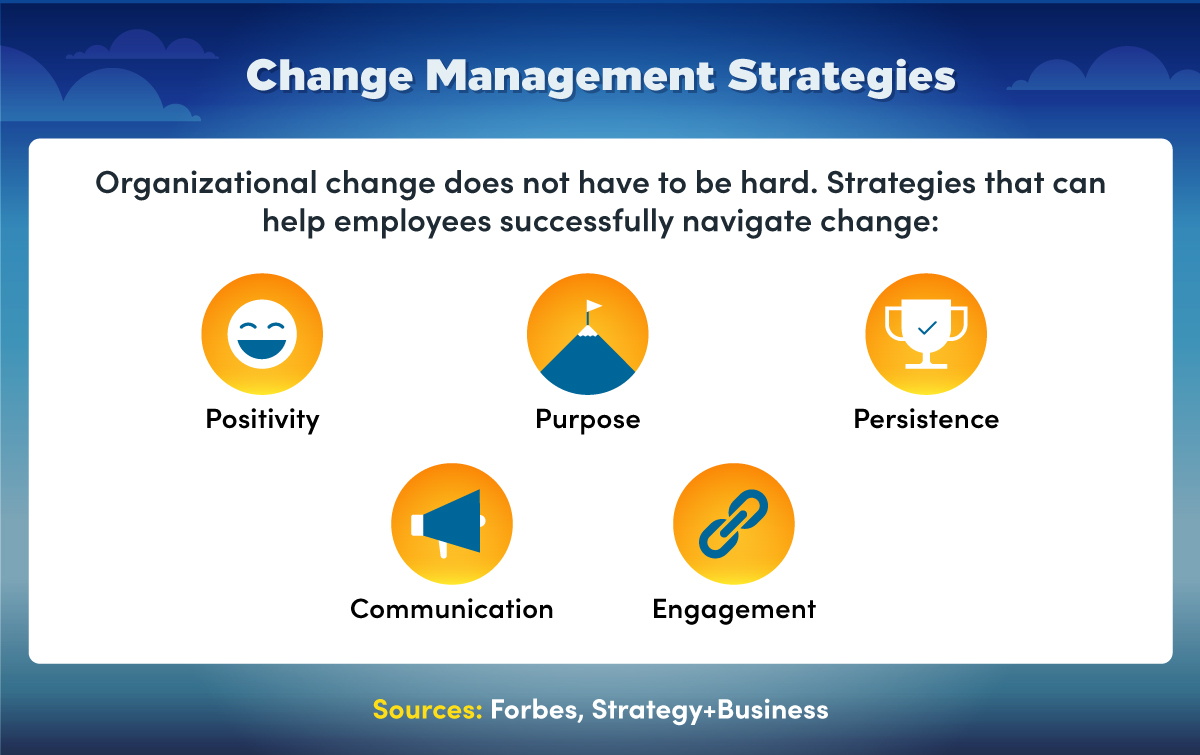
Employees may fear that automation will replace their jobs or disrupt familiar processes. To combat this, involve your team early in the automation planning process. Highlight how automation will free them from mundane tasks, allowing them to focus on more meaningful work. Offer training sessions to upskill employees, ensuring they understand the new tools and their role in the automated workflow. Transparency and communication are key to gaining buy-in.
2. Integration with Legacy Systems
Many businesses rely on outdated software that wasn’t designed for automation. Integrating modern automation tools with these legacy systems can be complex. Start with a thorough audit of your existing tech stack to identify gaps and compatibility issues. Use middleware or APIs to bridge the gap between old and new systems. In some cases, a phased approach—automating one department or process at a time—can minimize disruptions. Cloud-based solutions often provide the flexibility needed to modernize without overhauling entire systems.
3. High Initial Costs
Automation tools can require significant upfront investment, which may deter some businesses. However, it’s essential to view automation as a long-term strategy rather than a quick fix. Calculate the return on investment (ROI) by estimating cost savings from reduced labor, fewer errors, and increased productivity. Many automation vendors offer scalable pricing models, allowing businesses to start small and expand as they see results. Additionally, consider open-source tools or free tiers of automation platforms to test the waters before committing to premium solutions.
4. Data Security and Compliance Risks
Automating processes that handle sensitive data—such as customer information, financial records, or intellectual property—introduces security risks. Ensure your automation tools comply with industry regulations like GDPR, HIPAA, or SOC 2. Implement robust cybersecurity measures, including encryption, access controls, and regular audits. Work with vendors who prioritize security and offer features like multi-factor authentication and role-based permissions. A single data breach can undermine the benefits of automation, so prioritize security from day one.
5. Over-Automation and Loss of Human Touch
Automation should enhance human work, not replace it entirely. Over-automating can lead to impersonal customer experiences or missed opportunities for creativity. Strike a balance by automating repetitive tasks while leaving room for human judgment in areas like customer service, strategic planning, and innovation. For example, use chatbots to handle routine inquiries but ensure complex issues are escalated to human agents. Regularly review your automation strategy to ensure it aligns with your business goals and customer expectations.
Future Trends: What’s Next for Business Automation?
Automation is evolving at a breakneck pace, driven by advancements in AI, machine learning, and the Internet of Things (IoT). Businesses that stay ahead of these trends will gain a significant competitive advantage. Here’s a glimpse into the future of automation:
1. Hyper-Automation
Hyper-automation takes integration to the next level by combining multiple automation technologies—RPA, AI, process mining, and low-code platforms—into a unified strategy. The goal is to automate as much of the business as possible, from front-office tasks to back-office functions. Gartner predicts that by 2025, 70% of organizations will implement hyper-automation to streamline operations. Companies like ServiceNow and Microsoft are already leading the charge with platforms that orchestrate complex, end-to-end workflows.
2. AI-Powered Decision Making
AI is moving beyond automation to enable predictive and prescriptive decision-making. Instead of just executing tasks, AI systems will analyze data in real-time to recommend actions, optimize processes, and even make autonomous decisions. For example, AI-driven supply chain systems can predict disruptions and reroute shipments automatically. In customer service, AI can analyze sentiment in real-time to adjust responses dynamically. The rise of generative AI, like tools that create content or code, will further blur the lines between automation and human creativity.
3. Automation of Knowledge Work
Traditionally, automation targeted manual and repetitive tasks, but the next frontier is automating knowledge-based work. AI and ML are now capable of analyzing unstructured data, drafting reports, and even conducting research. Tools like Notion AI, Microsoft Copilot, and Google’s Bard are already assisting with content creation, data analysis, and project planning. As these tools become more sophisticated, entire roles—such as legal research, financial analysis, and marketing strategy—could be partially automated, freeing humans to focus on higher-level tasks.
For instance, a legal assistant might use an AI tool to sift through thousands of case files in seconds, summarizing key findings for a lawyer. This doesn’t replace the lawyer but amplifies their efficiency by reducing time spent on grunt work.
4. Autonomous Business Processes
The ultimate evolution of automation is the autonomous business process—systems that operate independently with minimal human intervention. This is already happening in industries like logistics, where autonomous vehicles and drones handle deliveries without human drivers. In finance, autonomous accounting systems can reconcile transactions, close books, and even file tax returns. The concept of a “lights-out” office, where a business runs entirely on autopilot, is no longer science fiction. While fully autonomous businesses are still rare, pilot programs in sectors like manufacturing and retail are proving its feasibility.
5. Ethical and Explainable Automation
As automation becomes more pervasive, concerns about ethics, bias, and accountability are growing. Businesses will need to prioritize explainable AI and transparent automation processes to maintain trust with customers and regulators. This means ensuring that automated decisions can be audited, understood, and, if necessary, overridden by humans. For example, if an AI hiring tool rejects a candidate, the system should provide a clear explanation for its decision. Companies will also need to address ethical dilemmas, such as bias in recruitment algorithms or the environmental impact of energy-intensive automation systems.
Getting Started: A Step-by-Step Guide to Business Automation
Transitioning to an automated workflow doesn’t happen overnight. It requires careful planning, execution, and continuous refinement. Below is a practical roadmap to help businesses of any size implement automation successfully:
Step 1: Assess Your Current Workflows
Before automating, you need to understand where inefficiencies lie. Conduct a thorough workflow audit by:
- Mapping processes: Document every step of your key workflows, from order fulfillment to employee onboarding. Identify bottlenecks, redundancies, and pain points.
- Gathering feedback: Survey employees and customers to uncover frustrations and areas where automation could make a difference.
- Measuring performance: Track metrics like time-to-completion, error rates, and resource allocation to establish a baseline for improvement.
Tools like process mining software (e.g., Celonis or ABBYY Timeline) can help visualize and analyze workflows automatically.
Step 2: Identify High-Impact Areas for Automation
Not all tasks are worth automating. Focus on areas where automation will deliver the most significant ROI. Prioritize processes that meet the following criteria:
- Repetitive: Tasks performed daily or weekly without variation.
- Rule-based: Processes with clear, defined steps and minimal exceptions.
- High-volume: Workflows that handle large quantities of data or transactions.
- Time-sensitive: Processes where delays have a direct financial or operational impact.
Common high-impact candidates include payroll processing, invoice generation, customer inquiries, inventory management, and social media scheduling.
Step 3: Choose the Right Automation Tools
Selecting the appropriate tools depends on your industry, budget, and specific needs. Consider the following factors:
- Scalability: Will the tool grow with your business?
- Integration capabilities: Does it work with your existing software (e.g., CRM, ERP, accounting tools)?
- Ease of use: Is the platform intuitive, or will it require extensive training?
- Cost: Compare pricing models (subscription vs. one-time purchase) and hidden costs like maintenance or add-ons.
- Support and security: Does the vendor offer reliable customer support and comply with industry regulations?
Start with a pilot project—automate a single process in one department—to test the tool’s effectiveness before scaling up.
Step 4: Implement Incrementally
Rather than overhauling your entire operation at once, adopt a phased approach. This minimizes disruption and allows for adjustments along the way. Follow these best practices:
- Start small: Automate a low-risk, high-impact process first (e.g., email responses or social media posts).
- Train your team: Provide hands-on training and resources to ensure employees are comfortable with the new tools.
- Monitor progress: Use analytics to track the impact of automation on productivity, error rates, and cost savings.
- Iterate and improve: Gather feedback from users and refine the automation process based on real-world performance.
Step 5: Scale and Optimize
Once you’ve proven the success of your initial automation efforts, it’s time to expand. To scale effectively:
- Standardize processes: Ensure all teams follow consistent automation protocols to avoid silos and inconsistencies.
- Automate end-to-end workflows: Connect previously siloed processes (e.g., sales to fulfillment) for seamless operations.
- Leverage advanced technologies: Integrate AI, machine learning, or IoT to unlock deeper automation capabilities.
- Continuously monitor: Regularly review automated processes to identify new opportunities for optimization or expansion.
Remember, automation is not a one-time project but an ongoing journey. Stay agile and adapt to emerging technologies and changing business needs.
Step 6: Foster a Culture of Continuous Improvement
Automation thrives in an environment that embraces innovation and learning. Encourage your team to:
- Experiment: Allow employees to propose new automation ideas and test them in a low-stakes environment.
- Share knowledge: Create internal resources (e.g., wikis, training sessions) to document automation best practices.
- Stay updated: Follow industry trends and attend webinars or conferences to keep skills sharp.
- Measure success: Celebrate wins and analyze failures to refine your automation strategy over time.
Real-World Success Stories: How Automation Transformed Businesses
Nothing inspires confidence in automation like real-world examples of its impact. Below are case studies from companies across different industries that have harnessed automation to achieve remarkable results:
1. Coca-Cola: Streamlining Global Procurement
Coca-Cola, one of the world’s most recognizable brands, faced inefficiencies in its global procurement process. Manual approvals, paper-based invoices, and disjointed systems led to delays and errors. The company implemented an automated procurement platform (Coupa) to standardize workflows, enforce compliance, and provide real-time visibility into spending. The results were staggering:
- Reduced procurement cycle time by 60%.
- Achieved 95% invoice accuracy, eliminating costly corrections.
- Saved over $50 million annually in operational costs.
By automating procurement, Coca-Cola not only cut costs but also gained better control over its vast supply chain, ensuring that raw materials met its quality standards every time.
2. Siemens: AI-Driven Quality Control in Manufacturing
Siemens, a global leader in industrial manufacturing, leveraged AI and automation to revolutionize its quality control processes. Traditionally, inspectors manually examined products for defects, a time-consuming and error-prone task. Siemens implemented AI-powered visual inspection systems (using tools like Cognex and Keyence) to analyze products in real-time. The AI system:
- Detected defects with 99.9% accuracy, compared to 85% with human inspectors.
- Reduced inspection time from 10 minutes per unit to under 10 seconds.
- Cut costs by $12 million annually by minimizing waste and rework.
This automation not only improved product quality but also allowed Siemens to scale production without increasing its workforce.
3. Domino’s Pizza: Automated Customer Engagement
Domino’s Pizza is a master of customer experience, and automation plays a key role in its success. The company uses AI-driven chatbots (like “Dom”) to handle orders, track deliveries, and answer customer queries across multiple platforms, including Facebook Messenger and Slack. Additionally, Domino’s employs automation in its supply chain to optimize ingredient inventory and delivery routes. The results include:
- 25% increase in online order efficiency.
- 30% reduction in customer service response times.
- $1 billion in additional revenue from digital ordering channels.
By automating customer interactions and backend operations, Domino’s has created a seamless, personalized experience that keeps customers coming back.
4. Unilever: AI-Powered Recruitment
Unilever, a global consumer goods giant, receives over 1.8 million job applications annually. Manually screening this volume of resumes was impractical, so the company turned to AI. Using tools like Pymetrics and HireVue, Unilever automated the initial stages of its recruitment process:
- AI analyzed video interviews to assess candidates’ soft skills, such as communication and problem-solving.
- Bias in hiring was reduced by focusing on objective data rather than subjective impressions.
- Time-to-hire was cut from 4 months to 4 weeks.
- Diversity in hiring improved by 16%, as the AI system identified high-potential candidates from non-traditional backgrounds.
Unilever’s automation strategy not only streamlined recruitment but also helped build a more inclusive and innovative workforce.
5. Airbnb: Automated Infrastructure Management
Airbnb’s platform relies on a complex infrastructure to match guests with hosts, process payments, and ensure smooth transactions. To handle the scale of its operations, Airbnb implemented automated infrastructure management tools (like Kubernetes and Terraform) to:
- Automatically scale server capacity based on demand, reducing downtime and costs.
- Detect and resolve issues in real-time, minimizing service disruptions.
- Improve security by automating patch management and vulnerability scans.
This automation allowed Airbnb to grow from a small startup to a global platform with over 4 million hosts without compromising performance or reliability. In 2020 alone, automation helped Airbnb save $10 million in infrastructure costs.
Conclusion: The Future is Automated—Are You Ready?
Business automation is no longer a luxury; it’s a necessity for survival and growth in the modern economy. The companies that thrive in the coming years will be those that embrace automation not as a one-off project, but as a core strategy for innovation, efficiency, and customer satisfaction. From manufacturing to marketing, finance to healthcare, automation is reshaping industries by removing friction, unlocking insights, and enabling scalability.
However, automation is not a magic bullet. Success requires a thoughtful approach—assessing workflows, choosing the right tools, training teams, and continuously optimizing processes. The businesses that will lead the charge are those that view automation as a partnership between humans and machines, where technology enhances human potential rather than replacing it.
As we look to the future, the lines between automation and human creativity will continue to blur. AI will handle more complex tasks, knowledge work will become more automated, and businesses will operate with unprecedented speed and precision. The question isn’t whether your business will automate, but how quickly you can adapt to stay ahead of the curve.
Are you ready to revolutionize your workflow? The secret weapon of modern success is within reach—all it takes is the courage to start. Begin by auditing your processes, piloting automation in one area, and building momentum from there. The future belongs to the automated, but it’s a future you can shape today.