
Revolutionizing Workflows: How Business Automation is the Silent Game-Changer of the Digital Age
In today’s fast-paced digital landscape, businesses are constantly searching for ways to enhance efficiency, reduce costs, and stay competitive. One of the most transformative trends reshaping industries is business automation—a concept that goes far beyond simple task delegation. Automation is no longer a luxury reserved for tech giants; it has become a necessity for organizations of all sizes aiming to streamline operations and unlock new levels of productivity. By integrating automation into workflows, companies can eliminate repetitive manual processes, minimize human error, and reallocate resources to high-value strategic initiatives. The result? A more agile, responsive, and scalable business model capable of thriving in an era defined by rapid technological advancement.
The Rise of the Automated Workplace
Automation isn’t a futuristic fantasy—it’s already here, embedded in the tools and systems we interact with daily. From chatbots handling customer inquiries to AI-driven analytics forecasting market trends, automation is quietly becoming the backbone of modern business operations. The shift toward automated workflows has been accelerated by several key drivers: the explosion of data, the rise of cloud computing, and the increasing sophistication of machine learning algorithms. Businesses that embrace these technologies gain a significant edge, as automation enables them to operate with unprecedented precision and speed. Whether it’s processing invoices, managing supply chains, or personalizing marketing campaigns, automated systems are proving to be indispensable in reducing bottlenecks and enhancing decision-making.
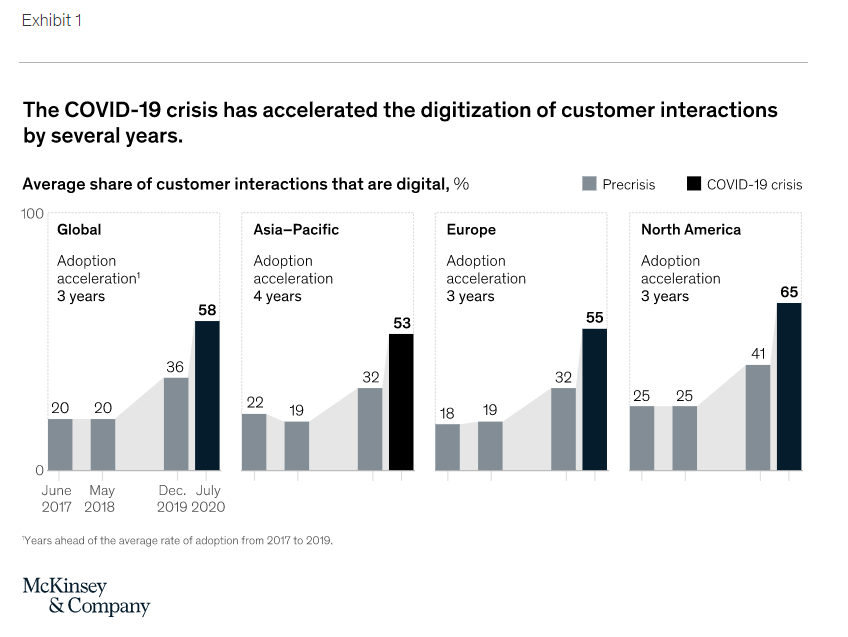
Moreover, the COVID-19 pandemic served as a catalyst for automation adoption. With remote work becoming the norm and physical offices shrinking, companies turned to automation to maintain continuity and resilience. Tools like robotic process automation (RPA) and workflow management platforms allowed teams to collaborate seamlessly across geographies, ensuring business operations remained uninterrupted. This shift has not only normalized automation but has also demonstrated its role as a critical enabler of business continuity in times of crisis.
Key Areas Where Automation is Transforming Business
Automation’s impact spans across nearly every facet of business operations. Below are some of the most significant areas where automation is driving measurable improvements:
- Customer Service and Support: AI-powered chatbots and virtual assistants are revolutionizing customer interactions by providing instant responses to inquiries, resolving issues 24/7, and even handling complex troubleshooting. This not only improves customer satisfaction but also reduces the workload on human support teams, allowing them to focus on high-priority cases.
- Financial Operations: Automation is transforming finance departments by streamlining processes such as invoice processing, expense management, and financial reporting. Tools like RPA can extract data from invoices, match it against purchase orders, and initiate payments without manual intervention, drastically reducing errors and processing times.
- Human Resources: HR departments are leveraging automation to simplify recruitment, onboarding, and employee management. Applicant tracking systems (ATS) can screen resumes, schedule interviews, and even conduct initial candidate assessments, significantly speeding up the hiring process. Automated workflows also ensure compliance with labor laws and reduce administrative burdens.
- Supply Chain and Logistics: Automation is optimizing supply chains through real-time tracking, predictive analytics, and autonomous inventory management. AI-driven systems can forecast demand, optimize delivery routes, and even manage warehouse operations with minimal human oversight, leading to cost savings and reduced lead times.
- Marketing and Sales: Marketing teams are using automation to personalize campaigns, segment audiences, and analyze customer behavior. Tools like marketing automation platforms can send targeted emails, nurture leads, and track ROI with remarkable accuracy. In sales, automation helps prioritize leads, automate follow-ups, and provide sales teams with actionable insights to close deals faster.
The Competitive Advantage of Early Adoption
Businesses that adopt automation early often gain a substantial competitive advantage. By automating routine tasks, companies can redefine their value propositions, offering faster response times, higher-quality products, and more personalized services. Automation also fosters innovation by freeing up employees to focus on creative problem-solving and strategic planning. Moreover, organizations that integrate automation into their core operations tend to be more resilient to disruptions, as their workflows are inherently more adaptable and scalable.
Take, for example, the retail industry, where automation has revolutionized inventory management and customer experience. Retailers using automated warehouse systems can fulfill orders in a fraction of the time it took manually, while AI-driven recommendation engines personalize shopping experiences to drive sales. Similarly, in healthcare, automation is improving patient care by reducing administrative burdens on staff and enabling faster, more accurate diagnoses through AI-powered diagnostic tools.
Overcoming Challenges in Automation Adoption
While the benefits of automation are clear, its implementation isn’t without challenges. Resistance to change is a common hurdle, as employees may fear job displacement or struggle to adapt to new technologies. To address this, businesses must prioritize change management, offering training programs and clear communication about how automation will augment—not replace—their roles. Additionally, selecting the right automation tools is crucial; companies should opt for solutions that integrate seamlessly with existing systems and align with their specific business needs.
Another challenge is ensuring data security and compliance, particularly when automating processes that handle sensitive information. Businesses must implement robust cybersecurity measures and adhere to regulations such as GDPR or HIPAA to protect customer data. Partnering with reputable automation vendors and conducting thorough risk assessments can mitigate these concerns and build trust in automated systems.
The Future of Automation: What’s Next?
The evolution of automation is far from over. Emerging technologies like hyper-automation, which combines RPA with AI, machine learning, and process mining, are pushing the boundaries of what’s possible. These advanced systems can not only automate repetitive tasks but also identify opportunities for further optimization, creating a self-improving workflow. The integration of automation with the Internet of Things (IoT) is another frontier, enabling real-time data collection and decision-making across entire supply chains.
Looking ahead, automation will likely become even more intuitive and user-friendly. Low-code and no-code platforms are democratizing automation, allowing non-technical employees to design and deploy automated workflows without extensive programming knowledge. This shift will accelerate adoption across industries, making automation accessible to businesses of all sizes and technical proficiencies.
Conclusion: Embracing Automation for a Smarter Future
Business automation is no longer a distant dream—it’s a present-day reality reshaping industries and redefining success. For companies willing to embrace this transformation, automation offers a pathway to heightened efficiency, innovation, and growth. By automating repetitive tasks, businesses can unlock the full potential of their workforce, enhance customer experiences, and build resilient operations capable of weathering any challenge. The silent game-changer of the digital age is here, and those who act now will lead the charge into a smarter, more automated future.