
The Future is Now: How Business Automation is Revolutionizing Industries
Across every sector, automation is no longer a futuristic concept—it is a present-day reality. From manufacturing floors to corporate boardrooms, businesses are embracing automation technologies to streamline operations, reduce costs, and enhance productivity. This shift is not just about replacing manual labor; it is about reimagining how work gets done. By integrating artificial intelligence (AI), machine learning (ML), robotics, and advanced software, companies are achieving levels of efficiency and precision that were once unimaginable. The result? A new era of business where speed, accuracy, and scalability define success.
The Driving Forces Behind Business Automation
Several key factors are propelling the rapid adoption of automation across industries:
- Technological Advancements: Breakthroughs in AI and ML have made systems smarter, more adaptive, and capable of handling complex tasks without constant human oversight.
- Cost Reduction: Automation reduces labor expenses and minimizes errors, leading to significant long-term savings.
- Demand for Speed and Scalability: In a competitive marketplace, businesses need to respond to customer needs rapidly and scale operations seamlessly—automation delivers on both fronts.
- Regulatory Compliance and Quality Control: Automated systems ensure consistency and adherence to standards, reducing risks associated with human error.
- Labor Shortages and Skills Gaps: Many industries face talent shortages; automation helps fill the gap by taking over repetitive or hazardous tasks.
These forces are converging to create a perfect storm for automation adoption, making it a cornerstone of modern business strategy.
Industries Leading the Automation Revolution
While automation is transforming virtually every sector, some industries are experiencing more dramatic changes than others:
Manufacturing
The manufacturing industry has long been at the forefront of automation. Robots now assemble products with precision, operate 24/7 without fatigue, and reduce downtime through predictive maintenance. Factories equipped with smart sensors and AI-driven systems can detect defects in real time, ensuring only high-quality products reach consumers. This has given rise to the concept of the “smart factory,” where human workers collaborate with machines in a seamlessly integrated environment.
Healthcare
In healthcare, automation is improving patient outcomes and operational efficiency. AI-powered diagnostic tools analyze medical images faster and more accurately than human radiologists. Robotic surgery systems allow for minimally invasive procedures with greater precision. Administrative tasks—such as scheduling appointments, processing insurance claims, and managing patient records—are now handled by automated software, freeing up medical professionals to focus on care. Even pharmacy automation is reducing medication errors and streamlining dispensing processes.
Finance and Banking
The finance sector has embraced automation to enhance security, speed, and customer experience. AI-driven chatbots handle customer inquiries around the clock, while robotic process automation (RPA) manages back-office functions like data entry and reconciliation. Fraud detection systems use machine learning to identify suspicious transactions in real time. Automated trading algorithms execute high-frequency trades with split-second accuracy, reshaping global markets. Additionally, blockchain technology is automating and securing transactions without intermediaries.
Retail and E-Commerce
Retailers are leveraging automation to personalize shopping experiences and optimize supply chains. AI-powered recommendation engines suggest products based on customer behavior, increasing conversion rates. Warehouse robots sort, pick, and pack orders with speed and accuracy, enabling same-day and next-day delivery. Automated inventory management systems prevent stockouts and overstock situations by predicting demand trends. Even cashier-less stores, powered by computer vision and sensors, are redefining the in-store shopping experience.
Logistics and Transportation
The logistics industry is undergoing a transformation with autonomous vehicles, drones, and AI-driven route optimization. Self-driving trucks are being tested for long-haul deliveries, promising to reduce fuel costs and improve safety. Drones are revolutionizing last-mile delivery in remote areas. Warehouse automation, including automated guided vehicles (AGVs) and robotic arms, speeds up order fulfillment. These innovations are making supply chains faster, more transparent, and more resilient.
The Human Element: Collaboration, Not Replacement
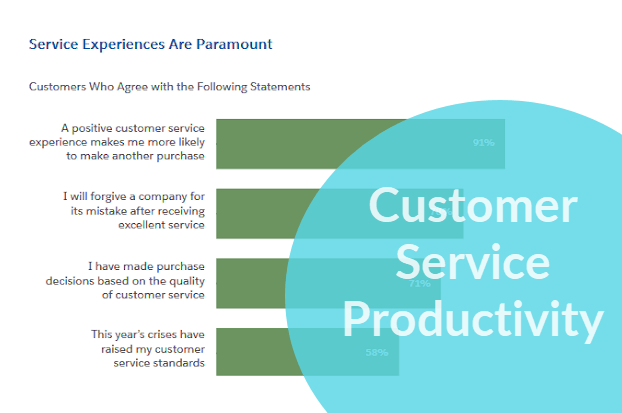
One of the most common misconceptions about automation is that it aims to replace human workers entirely. In reality, the goal is to augment human capabilities. Automation handles repetitive, time-consuming, and high-risk tasks, allowing employees to focus on creativity, problem-solving, and strategic decision-making. For example, in customer service, chatbots manage routine inquiries, while human agents tackle complex issues that require empathy and nuance.
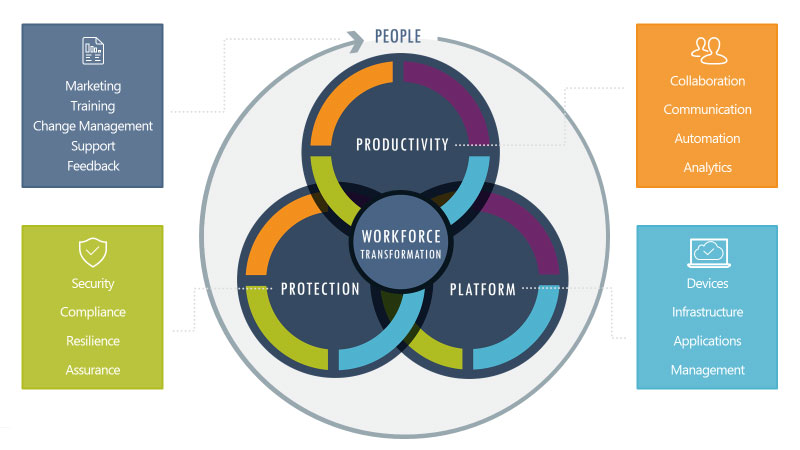
Moreover, automation creates new job categories. Roles such as automation engineers, data analysts, AI trainers, and cybersecurity specialists are in high demand. Companies are investing in upskilling and reskilling programs to prepare their workforce for this evolving landscape. The future workplace will likely feature a hybrid model where humans and machines work side by side, each leveraging their strengths.
Challenges and Considerations in Automation Adoption
Despite its benefits, automation is not without challenges. Businesses must navigate several key considerations:
- High Initial Investment: Implementing automation technologies can be expensive, requiring significant upfront capital for hardware, software, and training.
- Integration Complexity: Legacy systems may not easily integrate with new automation tools, leading to operational disruptions.
- Data Privacy and Security: Automated systems handle vast amounts of sensitive data, making them prime targets for cyberattacks. Robust security measures are essential.
- Ethical Concerns: Automation raises questions about job displacement, algorithmic bias, and accountability in decision-making. Transparency and ethical guidelines are crucial.
- Resistance to Change: Employees may fear job loss or struggle to adapt to new technologies, necessitating effective change management strategies.
Addressing these challenges requires careful planning, stakeholder engagement, and a long-term vision for sustainable automation.
The Future: Toward Fully Autonomous Businesses
As automation technologies continue to evolve, the line between human and machine capabilities will blur even further. We are moving toward a future where entire business processes operate autonomously. For instance, fully automated supply chains could manage procurement, production, and distribution with minimal human intervention. Self-regulating financial systems might optimize investments in real time. AI-driven customer support could resolve issues without any human oversight.
This next phase of automation will be powered by advancements such as:
- Hyperautomation: Combining AI, ML, RPA, and process mining to automate entire workflows end-to-end.
- Cognitive Automation: Systems that not only perform tasks but also understand context, make judgments, and learn from outcomes.
- Edge Computing: Enabling real-time data processing at the source, reducing latency and improving responsiveness.
- Digital Twins: Virtual replicas of physical systems that allow for simulation, monitoring, and optimization.
These innovations will unlock unprecedented levels of efficiency, agility, and innovation across industries.
Preparing for an Automated Future
For businesses looking to thrive in this automated landscape, several steps are essential:
- Assess Readiness: Evaluate current processes to identify automation opportunities and prioritize high-impact areas.
- Invest in Technology: Select the right tools and platforms that align with business goals and scalability needs.
- Foster a Culture of Innovation: Encourage experimentation and continuous learning among employees.
- Focus on Customer Experience: Use automation to deliver faster, more personalized, and seamless customer interactions.
- Stay Agile: The automation landscape is evolving rapidly; businesses must remain adaptable to new trends and technologies.
Conclusion: A Smarter, Faster, and More Connected World
Business automation is not just a trend—it is a fundamental shift in how industries operate. By embracing automation, companies can unlock new levels of efficiency, reduce costs, and deliver superior value to customers. While challenges remain, the potential benefits far outweigh the risks for those willing to innovate. The future of business is not a distant vision; it is being built today, one automated process at a time. As automation continues to evolve, it will redefine industries, create new opportunities, and shape a more connected, intelligent, and productive world.