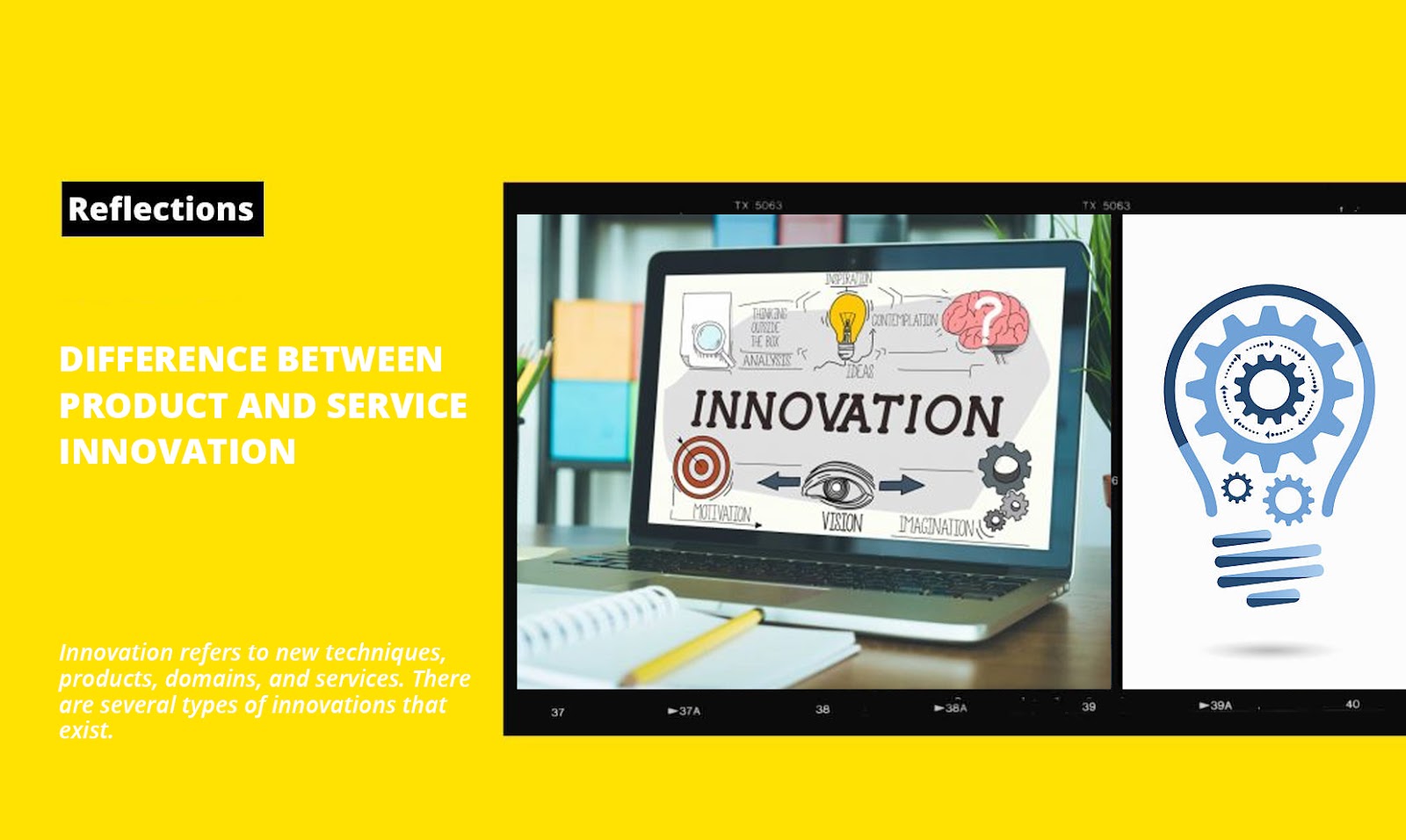
Introduction & Background
In a world where technology evolves at an unprecedented pace, digital innovation stands at the forefront of transforming industries, economies, and daily life. From artificial intelligence to blockchain, the digital revolution is reshaping how businesses operate and how individuals interact with the world. The significance of this transformation cannot be overstated, as it drives efficiency, fosters creativity, and unlocks new opportunities across sectors. Whether it is healthcare, finance, education, or manufacturing, digital innovation is the driving force behind progress, offering solutions to longstanding challenges while opening doors to uncharted possibilities. As we look toward the future, understanding the role of digital innovation becomes essential for businesses, policymakers, and consumers alike.
Concept & Overview
Digital innovation refers to the integration of advanced technologies into existing systems and processes to create value, improve performance, and deliver enhanced experiences. At its core, it encompasses the development and application of tools such as artificial intelligence, cloud computing, the Internet of Things (IoT), big data analytics, and automation. These technologies work together to streamline operations, enhance decision-making, and personalize user interactions. The overarching goal of digital innovation is not just to automate tasks but to reimagine how industries function, making them more adaptive, responsive, and customer-centric. By leveraging data and connectivity, organizations can break free from traditional limitations and pioneer new ways of working.
The principles of digital innovation revolve around three key pillars: agility, scalability, and collaboration. Agility allows businesses to quickly respond to market changes and emerging trends, while scalability ensures that solutions can grow alongside demand. Collaboration, both within organizations and across ecosystems, fosters innovation by bringing diverse perspectives and expertise together. Together, these principles create a foundation for sustainable progress, enabling companies to stay competitive in an increasingly digital world.
Key Features & Highlights
- Artificial Intelligence and Machine Learning: AI and ML are revolutionizing industries by enabling systems to learn from data, make predictions, and automate complex tasks. From chatbots providing customer service to algorithms detecting fraud in financial transactions, these technologies enhance efficiency and accuracy.
- Cloud Computing: Cloud platforms offer scalable and flexible solutions that allow businesses to store, process, and analyze vast amounts of data without the need for extensive physical infrastructure. This reduces costs and accelerates innovation.
- Internet of Things (IoT): IoT connects everyday devices to the internet, enabling real-time data collection and monitoring. Smart homes, industrial sensors, and wearable devices are just a few examples of how IoT is transforming daily life and operational efficiency.
- Big Data Analytics: The ability to process and analyze large datasets provides businesses with valuable insights into customer behavior, market trends, and operational performance. This data-driven approach helps in making informed decisions and identifying new opportunities.
- Blockchain Technology: Blockchain offers secure, transparent, and decentralized systems for transactions and data management. Its applications range from cryptocurrency to supply chain tracking, ensuring trust and reducing fraud.
- Automation and Robotics: Automation streamlines repetitive tasks, reducing human error and increasing productivity. Robotics, particularly in manufacturing and logistics, is enhancing precision and speed while lowering operational costs.
- Augmented Reality (AR) and Virtual Reality (VR): AR and VR are changing how we perceive and interact with digital content. From virtual training simulations to immersive shopping experiences, these technologies are redefining user engagement.
Frequently Asked Questions / Pros & Cons
What are the primary benefits of digital innovation for businesses?
Digital innovation offers numerous advantages, including improved operational efficiency, cost reduction, enhanced customer experiences, and the ability to stay ahead of competitors. By automating processes and leveraging data analytics, businesses can make faster and more informed decisions. Additionally, digital tools enable companies to offer personalized products and services, fostering customer loyalty and satisfaction.
What are the potential challenges associated with digital innovation?
While digital innovation presents immense opportunities, it also comes with challenges such as high implementation costs, cybersecurity risks, and the need for skilled talent. Organizations must invest in training and infrastructure to fully capitalize on these technologies. Furthermore, rapid technological changes can lead to obsolescence, requiring continuous adaptation and innovation to remain relevant.
How does digital innovation impact employment and the workforce?
Digital innovation often leads to job displacement in certain sectors due to automation and AI. However, it also creates new job opportunities in emerging fields such as data science, cybersecurity, and digital marketing. The key lies in upskilling and reskilling the workforce to align with the demands of a digital economy. Governments and educational institutions play a crucial role in preparing individuals for these evolving roles.
Is digital innovation only beneficial for large corporations?
Digital innovation is not exclusive to large corporations. Small and medium-sized enterprises (SMEs) can also leverage digital tools to enhance their operations, reach new markets, and compete with larger players. Cloud computing, for instance, allows SMEs to access enterprise-level resources without significant upfront investments. The democratization of technology means that innovation is now within reach for businesses of all sizes.
What role does government policy play in fostering digital innovation?
Government policies and regulations play a critical role in shaping the digital innovation landscape. Supportive policies can encourage investment in technology infrastructure, provide incentives for research and development, and ensure a competitive environment. Additionally, governments can implement data protection laws to safeguard privacy and build public trust in digital technologies. Collaboration between public and private sectors is essential for creating an ecosystem that nurtures innovation.
Practical Guidance & Solutions
For businesses looking to embrace digital innovation, the first step is to assess current processes and identify areas where technology can drive improvement. Start by conducting a digital readiness audit to evaluate existing systems, skills, and infrastructure. This assessment will highlight gaps and opportunities for transformation.
Next, prioritize initiatives based on their potential impact and feasibility. Focus on projects that align with business goals and deliver measurable outcomes. For example, implementing cloud-based solutions can streamline operations, while adopting AI-driven analytics can enhance decision-making. It is also important to foster a culture of innovation within the organization by encouraging experimentation and continuous learning.
Investing in employee training is crucial to ensure that teams possess the skills needed to leverage new technologies effectively. Partnering with technology providers and startups can also provide access to cutting-edge solutions and expertise. Additionally, businesses should stay informed about industry trends and regulatory changes to navigate the digital landscape successfully.
For individuals seeking to adapt to the digital age, focusing on skill development is key. Learning about emerging technologies such as AI, data analytics, and cybersecurity can open new career opportunities. Online courses, certifications, and networking events are valuable resources for staying updated and connected in a rapidly evolving job market.
Conclusion
The future is being written today, one line of code, one algorithm, and one digital solution at a time. Digital innovation is not merely a trend but a fundamental shift that is redefining the boundaries of what is possible. From empowering businesses to drive growth to enhancing the quality of life for individuals, the impact of these advancements is profound and far-reaching. As we stand on the brink of this new era, the choices we make today will shape the world of tomorrow. Embracing digital innovation with a strategic and forward-thinking approach will ensure that we are not just spectators but active participants in this transformative journey. The future is not something that happens to us. It is something we create, and digital innovation is our most powerful tool.