Introduction & Background
In today’s rapidly evolving digital landscape, businesses face an unprecedented challenge to stay competitive and relevant. The concept of digital transformation has emerged as a game-changer, enabling organizations to leverage technology to enhance operations, improve customer experiences, and drive innovation. As traditional business models continue to be disrupted, digital transformation has become a necessity rather than a choice for organizations aiming for long-term success.
Digital transformation refers to the integration of digital technology into all areas of a business, fundamentally changing how it operates and delivers value to customers. This shift goes beyond mere automation or digitizing existing processes. It involves a complete overhaul of business strategies, cultures, and customer interactions. Companies that embrace digital transformation are better positioned to adapt to changing market conditions, respond to customer demands, and unlock new growth opportunities. The significance of this transformation cannot be overstated, as it reshapes industries and redefines what it means to succeed in the modern business world.
Concept & Overview
At its core, digital transformation is about more than just adopting new tools or technologies. It represents a strategic shift that aligns technology with business goals to create value. This transformation involves reimagining business models, processes, and customer experiences through the lens of digital innovation.
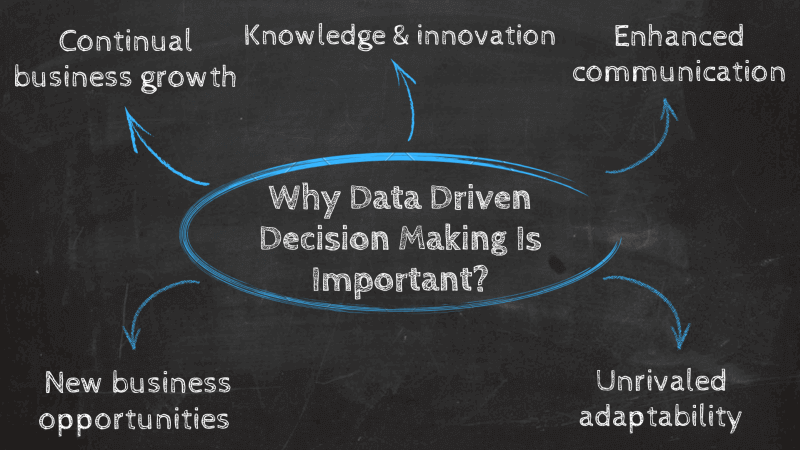
One of the foundational principles of digital transformation is the focus on customer-centricity. Businesses are increasingly prioritizing the needs and preferences of their customers, using digital tools to gather insights, personalize interactions, and deliver seamless experiences. Another key principle is agility, which enables organizations to respond quickly to market changes and emerging opportunities. Additionally, digital transformation emphasizes data-driven decision-making, allowing companies to harness the power of analytics to guide strategy and operations.
The journey toward digital transformation is not a one-time project but a continuous process of evolution. It requires a cultural shift within organizations, fostering a mindset of innovation, collaboration, and adaptability. Leadership plays a critical role in driving this transformation, setting a clear vision and empowering teams to embrace change. As businesses navigate this journey, they must remain flexible and open to experimentation, learning from both successes and failures.
Key Features & Highlights
- Customer Experience Enhancement: Digital transformation places the customer at the center of business strategies. By leveraging technologies such as artificial intelligence, machine learning, and big data, companies can gain deeper insights into customer behavior, preferences, and pain points. This enables them to deliver personalized experiences, improve satisfaction, and build long-term loyalty.
- Operational Efficiency: Automation and digital tools streamline processes, reduce manual errors, and improve productivity. Technologies like robotic process automation (RPA) and cloud computing enable businesses to optimize workflows, eliminate bottlenecks, and achieve cost savings. Enhanced operational efficiency translates to faster decision-making and improved overall performance.
- Data-Driven Insights: The abundance of data generated in the digital era provides businesses with valuable insights. Advanced analytics and business intelligence tools allow organizations to analyze data in real time, identify trends, and make informed decisions. Data-driven strategies help companies anticipate market shifts, mitigate risks, and capitalize on new opportunities.
- Agile and Scalable Solutions: Digital transformation empowers businesses to be more agile and scalable. Cloud-based technologies and modular software solutions enable organizations to quickly adapt to changing demands without significant infrastructure investments. This flexibility is essential for staying competitive in dynamic markets.
- Innovation and Competitive Advantage: Companies that embrace digital transformation gain a significant edge over competitors. By fostering a culture of innovation, businesses can develop new products and services, explore untapped markets, and differentiate themselves in crowded industries. Digital tools and platforms also enable faster experimentation and iteration, accelerating the pace of innovation.
Frequently Asked Questions / Pros & Cons
What exactly is digital transformation, and why is it important for businesses?
Digital transformation refers to the integration of digital technology into all aspects of a business, fundamentally altering how it operates and delivers value to customers. It is important because it enables businesses to remain competitive, adapt to changing market conditions, and meet evolving customer expectations. Companies that fail to embrace digital transformation risk falling behind competitors and losing relevance in their industries.
What are the biggest challenges businesses face during digital transformation?
One of the biggest challenges is resistance to change, as employees and stakeholders may be hesitant to adopt new technologies or processes. Additionally, businesses often struggle with legacy systems that are difficult to integrate with modern digital tools. A lack of clear strategy and leadership commitment can also hinder progress. Finally, cybersecurity risks and data privacy concerns pose significant challenges, requiring robust measures to protect sensitive information.
What are the pros and cons of digital transformation?
Pros:
- Improved customer experiences through personalization and seamless interactions.
- Increased operational efficiency and cost savings through automation and streamlined processes.
- Enhanced decision-making with real-time data and analytics.
- Greater agility and scalability to adapt to market changes and opportunities.
- Competitive advantage through innovation and the ability to quickly respond to industry shifts.
Cons:
- High initial costs associated with technology adoption and implementation.
- Potential disruption to existing workflows and resistance from employees.
- Increased complexity in managing and integrating multiple digital tools and systems.
- Cybersecurity threats and data breaches that require ongoing vigilance and investment.
- Over-reliance on technology, which can lead to reduced human interaction and customer service quality.
Practical Guidance & Solutions
Embarking on a digital transformation journey requires careful planning and execution. To ensure success, businesses should start by defining clear objectives and aligning them with their overall strategy. A thorough assessment of current processes and technologies will help identify gaps and opportunities for improvement. Leadership must foster a culture of innovation and provide the necessary resources and support for teams to embrace change.
Investing in the right technology is critical. Businesses should prioritize solutions that are scalable, flexible, and aligned with their long-term goals. Cloud computing, for example, offers a cost-effective way to access advanced tools and infrastructure without heavy upfront investments. Additionally, companies should focus on upskilling their workforce to ensure employees have the skills needed to leverage new technologies effectively.
Data security and privacy must be a top priority. Implementing robust cybersecurity measures, such as encryption, multi-factor authentication, and regular audits, will help protect sensitive information. Businesses should also stay compliant with relevant regulations, such as the General Data Protection Regulation (GDPR) or the California Consumer Privacy Act (CCPA).
Finally, collaboration and communication are key. Engaging stakeholders at all levels of the organization ensures alignment and buy-in. Regularly reviewing progress and adjusting strategies as needed will help businesses stay on track and achieve their digital transformation goals.
Conclusion
Digital transformation is no longer an optional endeavor but a critical driver of business success in the modern era. By embracing technology and reimagining their strategies, businesses can enhance customer experiences, improve operational efficiency, and unlock new opportunities for growth. While the journey may present challenges, the long-term benefits far outweigh the risks.
As industries continue to evolve, companies that prioritize digital transformation will be best positioned to thrive in an increasingly competitive landscape. The future belongs to those who are willing to innovate, adapt, and lead with a digital-first mindset. By taking proactive steps today, businesses can unlock the full potential of digital transformation and secure their place in the future of success.